
We may not have personally tested every product. This review is based on official product information, product specifications and comparative research. It is not medical advice.
Featured products to compare
Prices and availability can change. Visit the official website for the latest information.
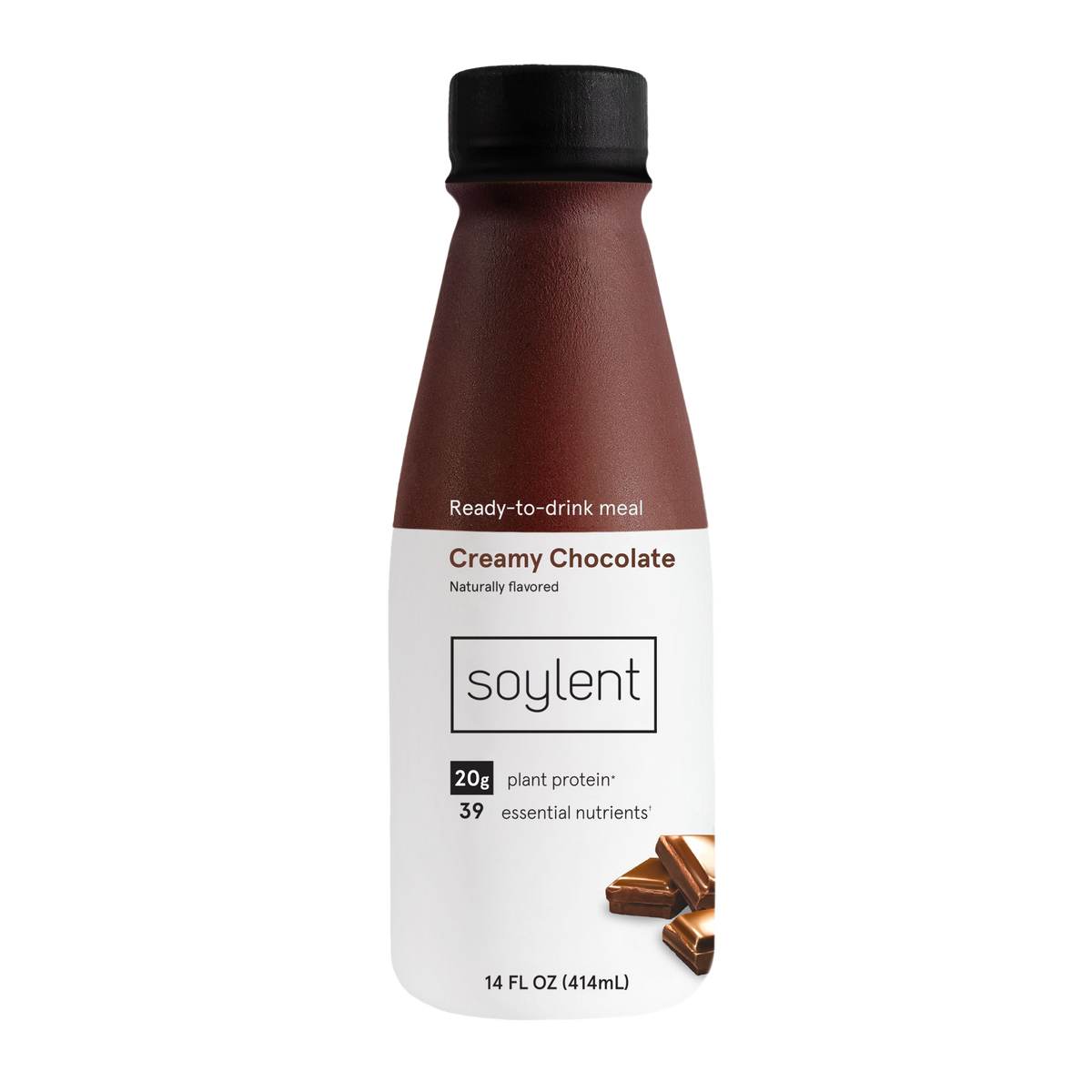
Soylent Complete Meal Creamy Chocolate, 12 Bottles
A shelf-stable 400-calorie complete meal with 20 g soy protein, one gram sugar and 28 vitamins and minerals.
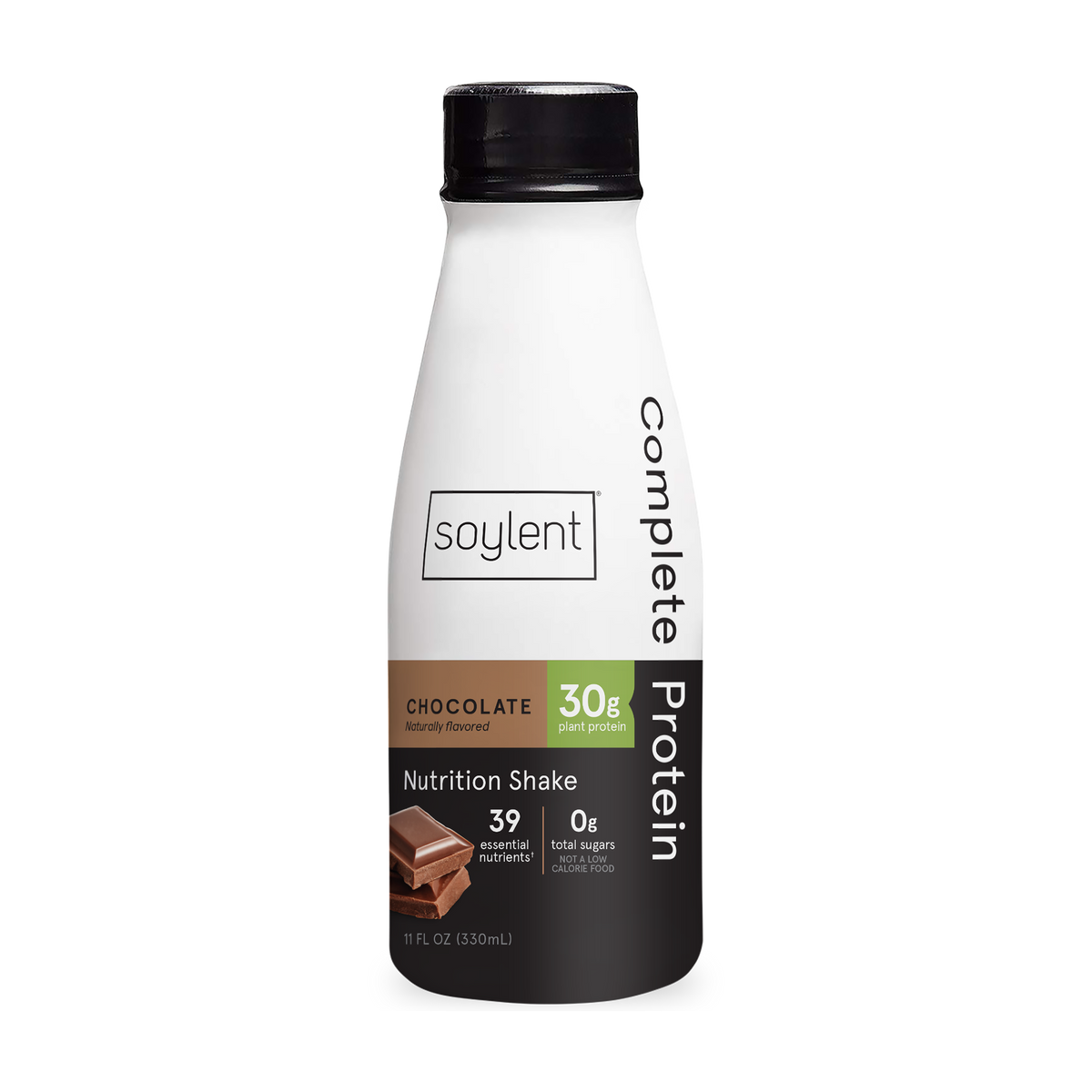
Soylent Complete Protein Chocolate, 12 Bottles
A 250-calorie plant-based shake with 30 g complete protein, five grams BCAAs, zero grams sugar and 28 vitamins and minerals.
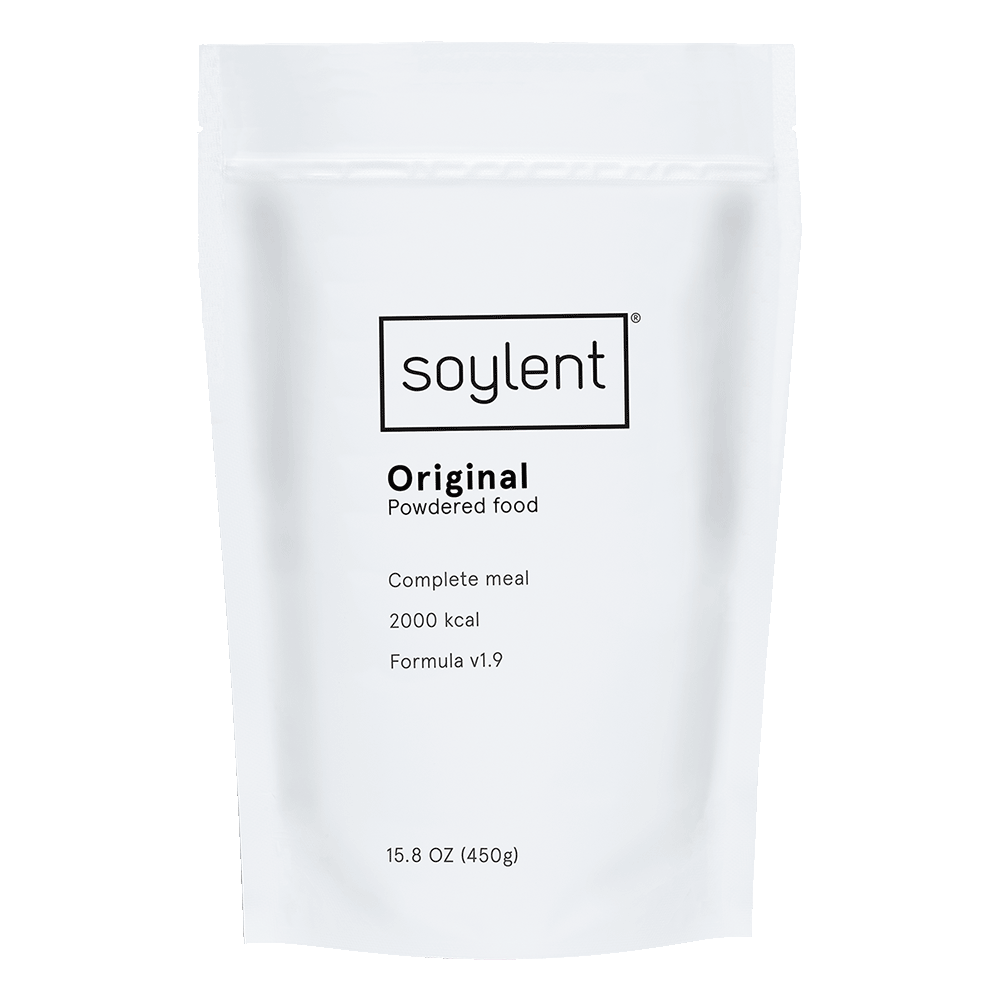
Soylent Complete Meal Powder Original, 35 Meals
Seven pouches providing 35 customizable complete meals with 20 g soy protein and 28 vitamins and minerals per standard 400-calorie serving.
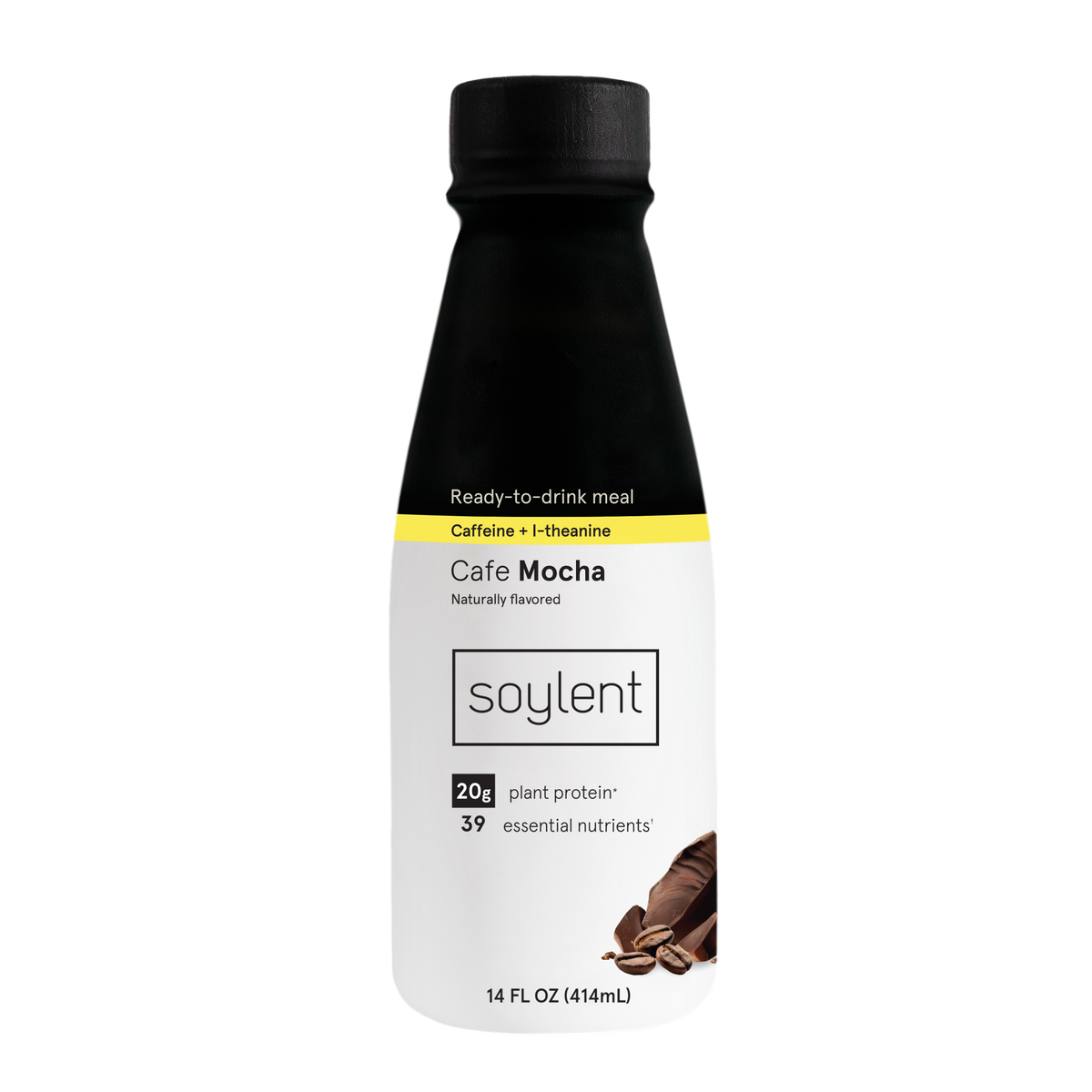
Soylent Complete Coffee Mocha, 12 Bottles
A 400-calorie complete meal with 20 g protein, one gram sugar, approximately 150 mg caffeine and added L-theanine.
What is Soylent?
Soylent is a plant-based complete-nutrition company founded in 2013. The original powdered formula was developed by software engineer Rob Rhinehart as a convenient alternative to frequently shopping, cooking and planning meals.
The brand helped popularize the modern “complete meal” category and now sells ready-to-drink meals, powdered meals, higher-protein shakes, protein powders and caffeinated coffee products. Soylent was acquired by Starco Brands in 2023 and continues to operate as a separate business unit.
Core Soylent meals are built around soy-protein isolate, carbohydrate ingredients, vegetable oils, fiber and a vitamin-and-mineral premix. The ready-to-drink Complete Meal products currently provide 400 calories, 20 g protein, one gram of sugar and 28 vitamins and minerals.
Our quick verdict
Soylent earns a 4.8/5 editorial rating. It remains one of the most convenient and predictable plant-based meal replacements, especially for users who value shelf-stable bottles, standardized 400-calorie portions and relatively low sugar.
Complete Meal Creamy Chocolate is the best overall starting product. Complete Protein Chocolate is better for a higher-protein snack or recovery drink, Complete Meal Powder Original offers the lowest advertised cost per meal, and Complete Coffee Mocha combines a full meal with a substantial 150 mg caffeine dose.
The biggest limitations are heavy reliance on fortified processed ingredients, soy as a major allergen, sucralose and allulose in current shakes, the possibility of digestive discomfort, restrictive food-return terms and inconsistent stock availability.
Soylent product lines explained
Product lineCaloriesProteinPrimary use Complete Meal Ready-to-Drink40020 gFull convenient meal Complete Meal Powder400 standard serving20 gLower-cost customizable meal Complete Protein Shake25030 gHigher-protein snack or recovery drink Complete Protein PowderVaries by mixed serving30 gProtein supplementation Complete Coffee40020 gCaffeinated breakfast or lunchThe words “complete meal” and “complete protein” are not interchangeable. Complete Protein supplies more protein but substantially fewer calories than Complete Meal, so it may not be large enough to replace a full meal for many adults.
Best overall: Complete Meal Creamy Chocolate
Soylent Complete Meal Creamy Chocolate is a shelf-stable 14 fl oz drink. The current 12-bottle case is listed at $48 one time, equal to $4 per meal.
The first eligible subscription order is currently shown at $36, or $3 per bottle. Later recurring deliveries are generally priced at $42 under the displayed 12.5% future-delivery discount, although promotions and subscription terms can change.
Every bottle currently provides:
- 400 calories
- 20 g complete plant-based protein
- One gram total sugar
- 28 vitamins and minerals
- Carbohydrates and vegetable oils for meal-level energy
- Approximately 15 mg caffeine or less from cocoa
The current ingredient list includes filtered water, soy-protein isolate, maltodextrin, high-oleic sunflower oil, allulose, canola oil, cocoa, soluble corn fiber, soy lecithin, cellulose, gellan gum and sucralose.
Why Creamy Chocolate is the best introduction
Chocolate masks the characteristic soy and vitamin-premix flavors better than Original. The bottled format also removes measuring errors and produces a smoother texture than hand-mixed powder.
A 400-calorie bottle can work as breakfast or lunch for many adults. A large or highly active person may need fruit, nuts, yogurt or another food to make the meal sufficiently satisfying.
The product is plant-based, vegan, gluten-free and dairy-free under the current formulation. It contains soy and is not suitable for a person with a soy allergy.
Is 400 calories enough for a meal?
Four hundred calories represents 20% of a reference 2,000-calorie diet. That is a reasonable standardized meal size but not a universal requirement.
Individual calorie needs vary according to body size, age, sex, pregnancy, activity, medical conditions and weight goals. Someone needing 2,800 calories daily will require more food than someone needing 1,600.
Soylent can simplify calorie planning, but users should evaluate total daily intake instead of assuming that every meal should contain exactly 400 calories.
Best higher-protein drink: Complete Protein Chocolate
Complete Protein Chocolate is an 11 fl oz higher-protein shake. The current 12-bottle case has a one-time reference price of $39, or $3.25 per bottle.
The first subscription order is shown at $29.25, while subsequent recurring pricing has been displayed around $31.50. The product was out of stock on the official page at the time of this review.
Every bottle currently provides:
- 250 calories
- 30 g plant-based protein
- Five grams of BCAAs
- All nine essential amino acids
- Zero grams total sugar
- 28 vitamins and minerals
Complete Protein is designed more like a fortified sports or high-protein shake than a full 400-calorie meal.
Can it support muscle gain?
Soy protein is a complete protein containing all nine essential amino acids. Thirty grams can contribute meaningfully to a strength-training diet.
Muscle gain still requires progressive resistance exercise, enough total daily protein, sufficient calories and recovery. Drinking Complete Protein without training or adequate food does not automatically create muscle.
The bottle provides 250 calories, so using it to replace a meal may leave some people hungry. It can work better as a post-workout drink, breakfast component or protein-rich snack.
Complete Protein versus ordinary protein powder
An ordinary protein powder usually emphasizes protein while supplying fewer vitamins, minerals, fats and calories. Soylent adds extensive fortification and selected fats.
This broader formula may be convenient, but it also makes the product less flexible. Someone who already uses a multivitamin and only wants protein may prefer a simpler powder.
Best value: Complete Meal Powder Original
Complete Meal Powder Original is the lowest-cost Soylent format when available. The current package contains seven pouches and 35 standard meals.
The current one-time reference price is $80, equal to approximately $2.29 per meal. The first subscription price is shown at $60, or $1.71 per meal, with later recurring pricing around $69.
The powder was out of stock on the official website at the time of review.
A standard serving provides:
- 400 calories
- 20 g soy protein
- 28 vitamins and minerals
- Carbohydrates and vegetable fats
- A customizable serving size when the user weighs the powder accurately
Powder strengths
- Lowest advertised cost per standard meal
- Less packaging per serving than individual bottles
- Adjustable calories and thickness
- Neutral flavor that can be combined with fruit, cocoa or coffee
- Easy long-term pantry storage before mixing
Powder limitations
- Requires water, measurement and cleanup
- Texture is less smooth than bottled Soylent
- It is easy to miscalculate calories when scoops are not weighed
- Adding fruit, oils or nut butter changes the complete nutrition ratio
- Current official stock has been inconsistent
Using a kitchen scale provides more reliable portions than estimating with a scoop.
Best caffeinated meal: Complete Coffee Mocha
Complete Coffee Mocha is a 14 fl oz complete meal containing coffee powder, cocoa, caffeine and L-theanine.
The current 12-bottle one-time reference price is $48. First-order subscription pricing is typically $36, with later recurring pricing around $42.
Each bottle currently provides:
- 400 calories
- 20 g plant-based protein
- One gram sugar
- 28 vitamins and minerals
- Approximately 150 mg caffeine
- Added L-theanine
At the time of review, official inventory was being prioritized for existing subscribers.
Understanding the caffeine dose
One bottle provides roughly the caffeine in a strong cup or approximately two small cups of coffee. It is substantially different from Chocolate Soylent, which contains no more than about 15 mg naturally occurring caffeine.
The FDA cites 400 mg daily as an amount not generally associated with negative effects for most healthy adults, but individual sensitivity varies.
Complete Coffee should be counted with coffee, tea, soda, energy drinks, pre-workout and medication. Potential symptoms of excessive caffeine include insomnia, anxiety, rapid heartbeat, nausea and headache.
Pregnant or breastfeeding users, adolescents, caffeine-sensitive adults and people with heart-rhythm or anxiety conditions should obtain individualized guidance.
What does “complete nutrition” mean?
Soylent says its Complete Meal formulas contain all 39 essential nutrients, including complete protein, essential fats, carbohydrates, vitamins and minerals.
That description means the product is designed to provide a broad nutrient profile at an appropriate total calorie intake. It does not mean one bottle supplies an entire day of nutrition.
It also does not establish that consuming only Soylent indefinitely is optimal for every person. Dietary variety provides different fiber structures, food textures, phytochemicals and social and sensory experiences.
Federal dietary guidance continues to emphasize whole, healthy and nutrient-dense foods. Soylent is most useful as a convenient meal inside a varied diet.
Soy protein: strengths and limitations
Soy protein isolate contains all essential amino acids and can support daily protein requirements. It is widely used in plant-based sports and nutrition products.
Replacing some higher-saturated-fat animal foods with soy-based foods can fit a heart-conscious eating pattern. Soylent itself should still be evaluated as a whole product, including calories, fat, sodium and other ingredients.
Soy is one of the nine major U.S. food allergens. Customers with soy allergy should avoid Soylent and read every current label.
Soy and thyroid medication
Eating substantial soy or following a high-fiber diet can affect absorption of thyroid medicine in some people. This does not mean soy must always be avoided.
People taking levothyroxine should follow the timing instructions from their clinician or pharmacist and keep dietary habits reasonably consistent when thyroid laboratory tests are being adjusted.
Allulose and sucralose
Current ready-to-drink Soylent uses allulose and sucralose to produce sweetness with very little labeled sugar.
Allulose is a low-calorie carbohydrate. FDA guidance allows manufacturers to exclude it from Total Sugars and Added Sugars declarations and use a general value of 0.4 calories per gram when calculating calories.
Sucralose is an FDA-approved high-intensity sweetener. Regulatory approval does not mean every person likes the taste or tolerates the same amount.
Some users experience gastrointestinal discomfort from low-calorie sweeteners or larger quantities of specific carbohydrates. Reduce the serving or choose another formula when symptoms consistently follow use.
Maltodextrin and blood glucose
Complete Meal formulas include maltodextrin and other carbohydrate ingredients. The bottle’s one-gram sugar statement does not mean the product contains only one gram total carbohydrate or has no effect on blood glucose.
People with diabetes should read the full Nutrition Facts panel, count total carbohydrate and monitor their response according to their treatment plan.
Soylent should not be described as universally suitable for every person with diabetes simply because it is low in sugar.
Fiber and digestive adjustment
Soylent uses ingredients such as soluble corn fiber and cellulose. Powder and product versions can differ in total fiber.
Increasing fiber rapidly can cause gas, bloating or bowel changes. NIDDK advises increasing dietary fiber gradually when symptoms occur.
Begin with one bottle or a partial powder serving rather than replacing several meals immediately. Adequate fluid intake is also important.
People with gastroparesis, inflammatory bowel disease, intestinal narrowing or prescribed low-fiber diets should obtain professional guidance.
Fat sources and omega fatty acids
Current meal shakes use high-oleic sunflower oil and canola oil. These oils provide calorie density and unsaturated fats needed to create a complete meal.
The presence of omega-3 and omega-6 fats does not make Soylent equivalent to eating fish, nuts or seeds. Whole foods provide different fatty acids and additional nutrients.
Weight loss and weight gain
Soylent is not intrinsically a weight-loss or weight-gain product. Its predictable calorie amount makes either goal easier to plan.
- Weight loss: a 400-calorie bottle may replace a larger restaurant or convenience meal.
- Weight gain: a bottle can add calories between ordinary meals.
Results depend on total daily energy intake. Drinking Soylent in addition to an unchanged diet can increase weight.
People with eating disorders, unexplained weight change or medical nutrition needs should not use unsupervised meal replacement as primary treatment.
Kidney, liver and medical-diet considerations
Soylent contains protein, potassium, phosphorus, sodium, vitamins and minerals. These are normal nutrients but may require restriction in kidney disease or other medical conditions.
A standard retail meal replacement is not the same as a medically prescribed enteral formula. People with kidney disease, liver disease, heart failure, swallowing disorders or fluid restrictions need an individualized nutrition plan.
Pregnancy, breastfeeding and children
Pregnancy and breastfeeding change calorie, protein and micronutrient needs. Soylent does not replace prenatal vitamins or pregnancy-specific care.
Complete Coffee contains 150 mg caffeine and requires particular attention to total daily caffeine intake.
Soylent’s terms state that products may not be suitable for children. Regular use as a child’s meal should be discussed with a pediatrician or registered dietitian because growth needs differ from adult reference nutrition.
Clinical research: what is and is not established
Soylent states that its products have been involved in four clinical trials and highlights additional research partnerships.
Research on specific patient groups or short-term controlled use should not be generalized to every healthy adult or to indefinite exclusive consumption.
Company-funded or company-partnered evidence should be read alongside study design, sample size, comparator and duration.
Storage and shelf life
Unopened ready-to-drink bottles can be stored at room temperature and have a shelf life of up to approximately one year under current company guidance.
Refrigeration before opening is optional but generally improves taste. Once opened, the bottle should be refrigerated and used according to the current package instructions.
High temperatures above approximately 110°F may cause vitamins and nutrients to degrade over time. The Best By date primarily represents the period for best taste and texture rather than a traditional safety expiration date.
Manufacturing and allergen information
Soylent drinks and powders are currently manufactured in the United States. The company states that its facilities are GMP certified and regulated by the FDA.
The primary declared allergen in the featured products is soy. Complete Protein Powder also contains coconut, but the featured bottled Complete Protein Chocolate page primarily highlights soy.
Formulas can change, so users should inspect the label delivered with the product rather than relying only on an older online review.
Subscription terms
Soylent currently offers:
- 25% off the first eligible subscription order
- At least 10% savings on many later orders, varying by product
- Delivery every 15, 30, 45 or 60 days
- Flavor and product swaps
- Skip or delay options
- Cancellation without a subscription fee
- Free contiguous-U.S. shipping on subscription orders over $50
Changes should generally be completed at least five days before the next scheduled shipment. Once an order enters warehouse processing, Soylent does not guarantee cancellation.
Shipping
Soylent currently ships directly within the United States and Canada. A third-party concierge is offered for other international destinations.
Standard shipping is free on orders over $50 in the contiguous United States. Non-contiguous states, regions and territories are charged carrier rates.
The company says approximately 90% of continental-U.S. orders ship the same or next business day and arrive within one week or less.
Return policy
Soylent meals and shakes are food products and are generally final sale after processing and shipment. They are not eligible for routine return or exchange because of food-safety rules.
Replacement or refund requests may be considered for damaged or defective products. Transit damage should be reported within five days of delivery with the order information and requested evidence.
Purchases made through Amazon, Walmart, Target or another retailer follow that seller’s return policy.
Packaging and sustainability
Soylent states that drink bottles, caps, sleeves, tubs and cardboard cases are recyclable. Foil seals, bar wrappers and powder pouches are not currently fully recyclable.
Local rules determine whether an item is actually accepted. Rinse containers and follow the local recycling program.
Powder generally uses less packaging per meal than individual bottles, but its current stock availability is less reliable.
What we like
- Predictable 400-calorie complete meals.
- Twenty grams of complete plant protein.
- Only one gram sugar in core ready-to-drink meals.
- Shelf-stable and highly convenient.
- Powder can be inexpensive per meal.
- High-protein and caffeinated options.
What could be better
- Frequent stock and availability problems.
- Heavy reliance on fortified processed ingredients.
- Contains soy, allulose and sucralose.
- Food products are generally final sale.
- Complete Coffee contains a large caffeine dose.
- Dietary variety can decline with overuse.
Who should consider Soylent?
- Busy adults who otherwise skip meals.
- Plant-based users seeking a dairy-free complete meal.
- People who value precise calorie portions.
- Travelers and workers needing shelf-stable backup food.
- Customers seeking a higher-protein vegan drink.
Who may want to look elsewhere?
- People with soy allergy.
- Customers avoiding sucralose or allulose.
- People with medically restricted protein, potassium, phosphorus or sodium intake.
- Anyone who wants a broad satisfaction guarantee.
- Customers who prefer minimally processed whole-food meals.
- Caffeine-sensitive users considering Complete Coffee.
Final verdict: Is Soylent worth buying?
Soylent is worth considering when the alternative is skipping a meal or buying less balanced convenience food. It provides predictable calories, complete soy protein, fats, carbohydrates and extensive fortification in a shelf-stable format.
Complete Meal Creamy Chocolate is the best overall choice. Select Complete Protein Chocolate for a higher-protein snack, Complete Meal Powder Original for the lowest potential cost and Complete Coffee Mocha only when a 150 mg caffeine meal fits the day.
Use Soylent as one tool in a varied diet, verify current stock before ordering and start with a small one-time purchase because the food-return policy is restrictive.
Pros and cons
What stands out
- Predictable portions
- Complete plant protein
- Shelf-stable convenience
- Low labeled sugar
- Multiple formats
- Affordable powder pricing
Trade-offs
- Stock inconsistency
- Soy allergen
- Sucralose and allulose
- Processed ingredient profile
- Restrictive returns
- High-caffeine coffee option
Rating details
Product details
Learn More
- Soylent official website
- Soylent company overview
- Starco Brands acquisition announcement
- Complete Meal Creamy Chocolate
- Complete Protein Chocolate
- Complete Meal Powder Original
- Complete Coffee Mocha
- Soylent subscription information
- Soylent shipping information
- Soylent return policy
- FDA allulose labeling guidance
- FDA high-intensity sweetener information
- FDA caffeine consumer guidance
- FDA major food allergen labeling
- NIDDK fiber and bloating guidance
- MedlinePlus hypothyroidism and soy guidance
- Dietary Guidelines for Americans
Consult a qualified healthcare professional before using supplements or making significant changes to diet, exercise or treatment.
What readers say
No reviews yet
Write a review
Share your experience with other readers.

Be the first reader to share an experience.