
We may not have personally tested every product. This review is based on official product information, product specifications and comparative research. It is not medical advice.
Featured products to compare
Prices and availability can change. Visit the official website for the latest information.
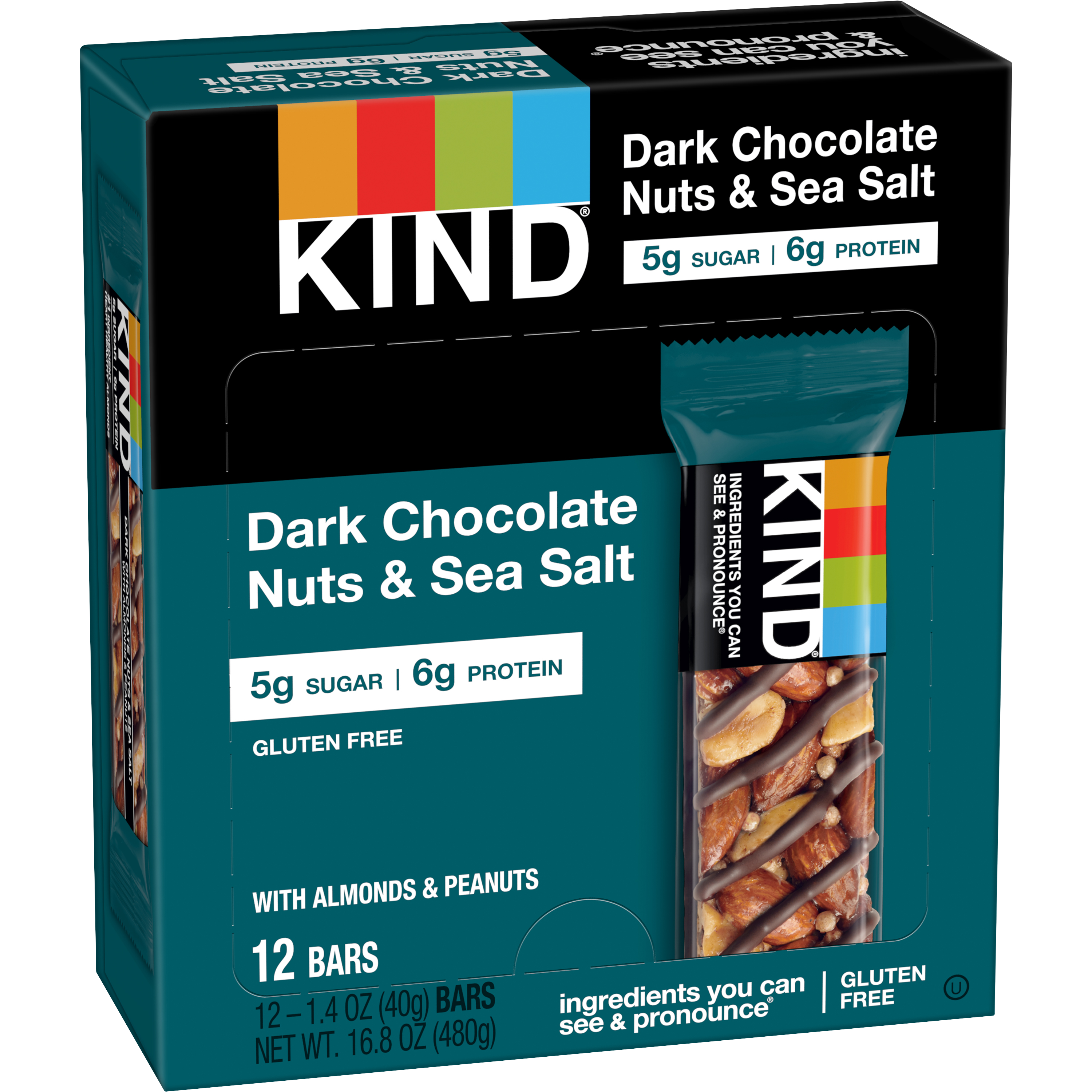
KIND Dark Chocolate Nuts & Sea Salt, 12 Bars
A classic almond-and-peanut bar with dark chocolate, 6 g protein, 7 g fiber and 5 g total sugar.
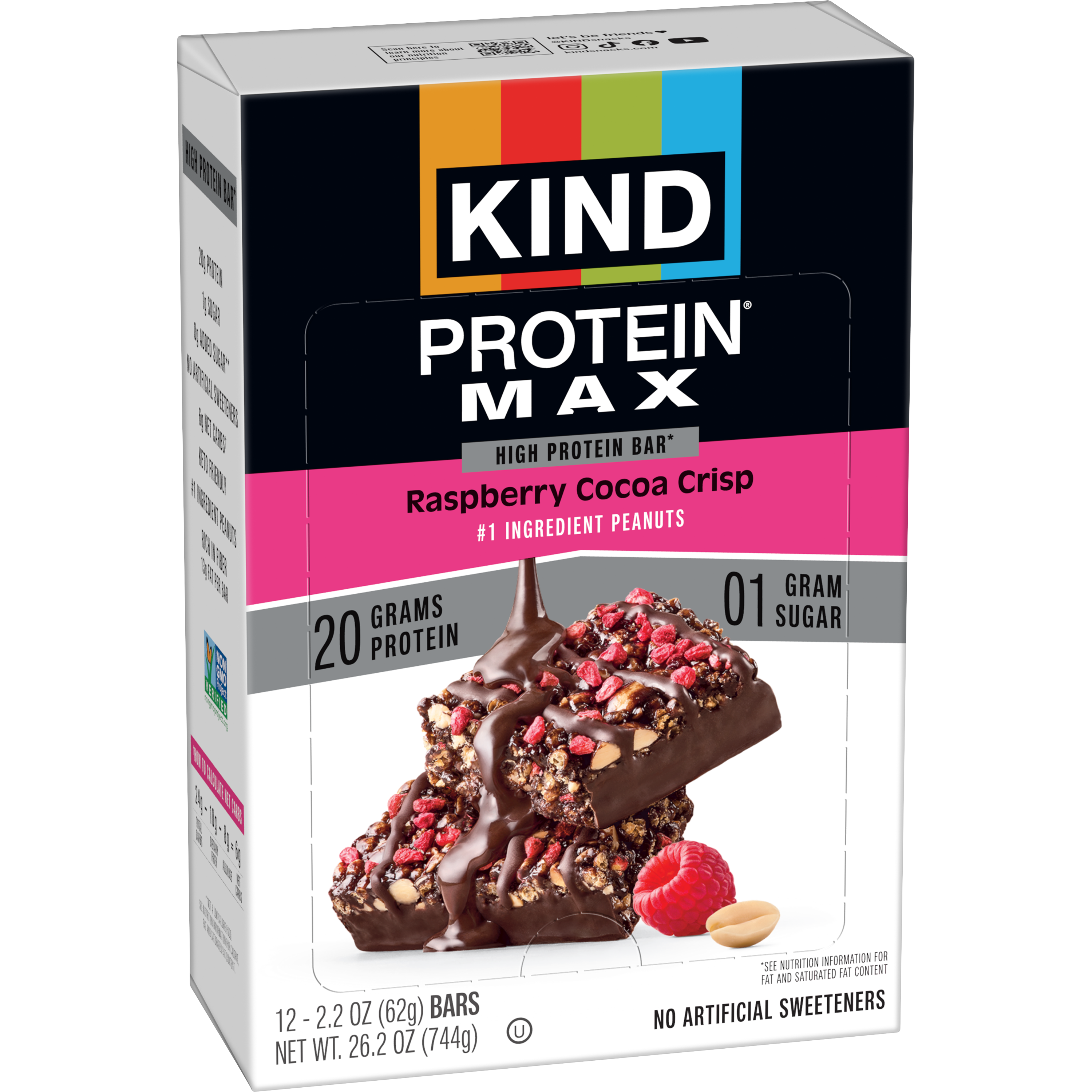
KIND Protein MAX Raspberry Cocoa Crisp, 12 Bars
A peanut-and-soy protein bar with 20 g protein, 10 g fiber, 1 g total sugar and allulose.
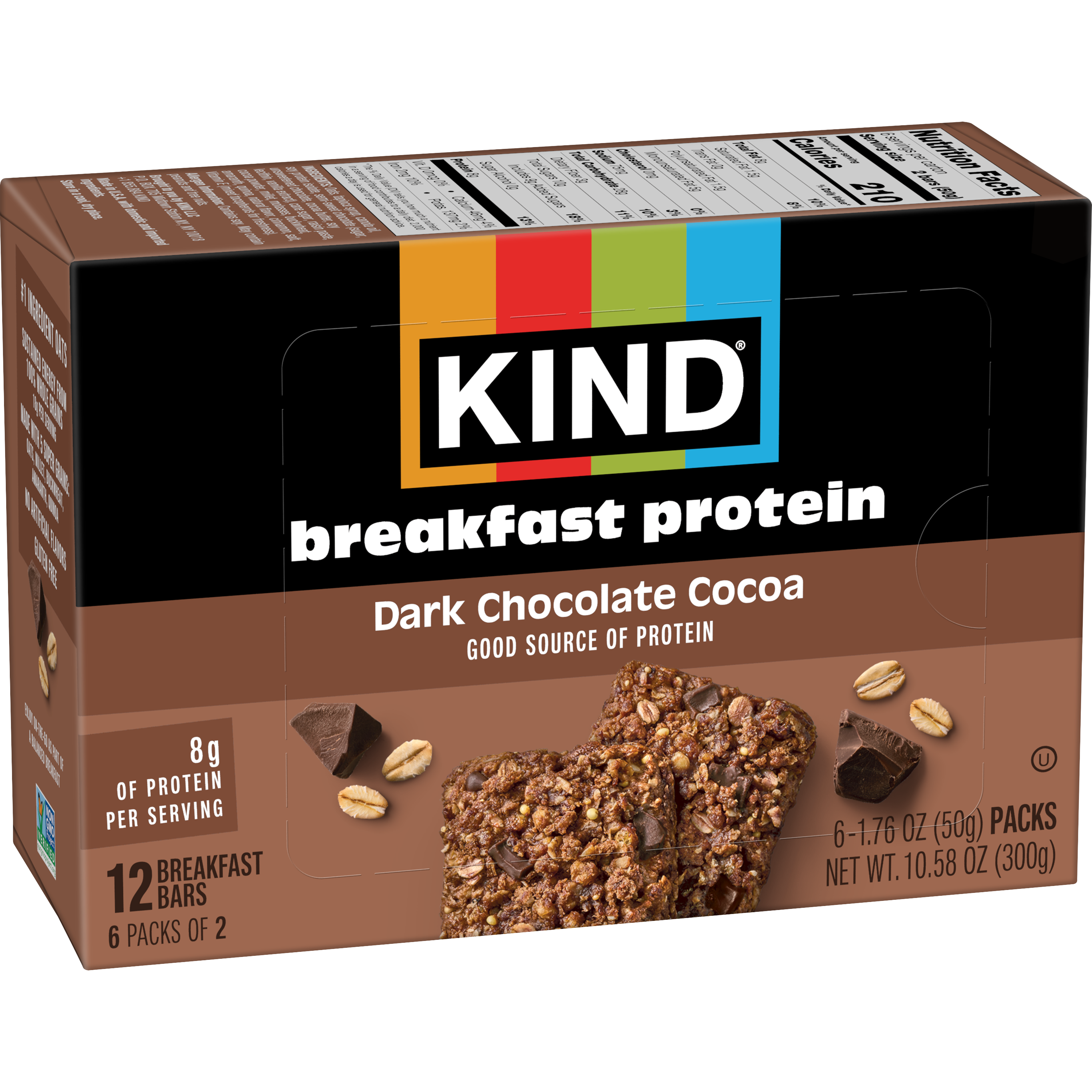
KIND Breakfast Dark Chocolate Cocoa, 6 Packs of 2 Bars
Two soft-baked bars with oats and five grains, providing 8 g protein and 19 g whole grains per serving.
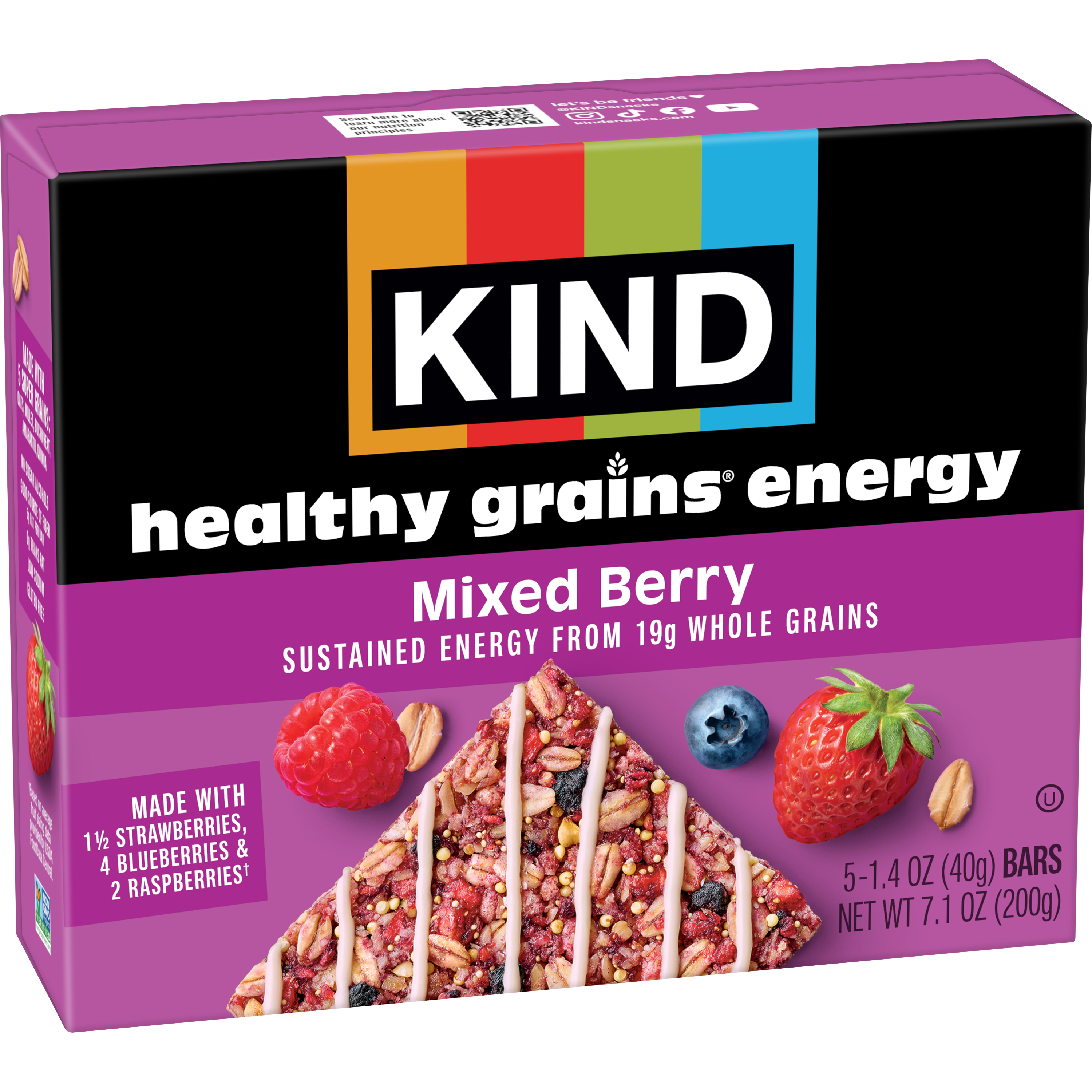
KIND Healthy Grains Energy Mixed Berry, 5 Bars
A 160-calorie bar with dried berries, five grains, 19 g whole grains and 3 g fiber.
What is KIND Snacks?
KIND Snacks is an American snack brand founded by Daniel Lubetzky in 2004. Its first products paired visible whole nuts and fruit in transparent wrappers, helping establish the modern premium nut-bar category.
KIND now sells nut bars, Protein MAX bars, Breakfast bars, Healthy Grains Energy bars, Minis, Thins, granola, soft-baked products, school-friendly bars and other snacks. Mars acquired KIND North America in 2020, and KIND currently operates within the Mars family of companies.
The company’s nutrition principles state that products should lead with a nutrient-dense food such as nuts, whole grains or fruit and should avoid high-fructose corn syrup, artificial sweeteners and sugar alcohols. The exact nutrition profile still varies widely by product line.
Our quick verdict
KIND Snacks earns a 4.8/5 editorial rating. The classic nut bars remain strong portable snacks because nuts are the first ingredient, portions are predictable and several flavors contain relatively little sugar compared with conventional candy-style bars.
Dark Chocolate Nuts & Sea Salt is the best overall choice for most adults. Protein MAX Raspberry Cocoa Crisp is the best high-protein option but has a more processed ingredient profile. Breakfast Dark Chocolate Cocoa is the best soft-baked whole-grain choice, while Healthy Grains Energy Mixed Berry is the best fruit-and-grain snack.
The main drawbacks are major nut and soy allergens, fermentable fibers that can cause digestive symptoms, meaningful added sugar in the breakfast and energy bars, and the fact that most KIND products are snacks rather than complete meals.
How KIND’s product lines differ
Product linePrimary ingredientsTypical purpose Nut BarsNuts, chicory-root fiber, honey or syrups, chocolate or fruitCrunchy nutrient-dense snack Protein MAXPeanuts, soy-protein isolate, allulose and added fibersHigher-protein snack Breakfast BarsOats, five grains, oils, syrups and soy proteinSoft-baked breakfast component Healthy Grains Energy BarsOats, five grains, fruit, oils and syrupsWhole-grain energy snackThe word “bar” does not establish that products are nutritionally equivalent. Protein ranges from 3 g in Mixed Berry to 20 g in Protein MAX, while fiber, sugar, allergens and saturated fat also differ.
Best overall: Dark Chocolate Nuts & Sea Salt
Dark Chocolate Nuts & Sea Salt is the classic KIND bar and the strongest general introduction to the brand. The current product is sold in a 12-bar box through retailers; KIND no longer displays a direct retail price on its own website.
Each 40 g bar currently provides:
- 190 calories
- 6 g protein
- 7 g dietary fiber
- 5 g total sugar
- 4 g added sugar
- 15 g total fat
- 3 g saturated fat
- 140 mg sodium
Ingredients include almonds, peanuts, chicory-root fiber, honey, palm-kernel oil, cane sugar, glucose syrup, rice flour, chocolate, cocoa, sea salt and soy lecithin.
Why the classic bar works
Almonds and peanuts are the first ingredients, so the bar provides unsaturated fats, protein, fiber and a crunchy texture. Five grams of total sugar is lower than many granola, breakfast and confectionery-style bars.
The 190-calorie portion can work as an afternoon snack, travel food or a small pre-exercise snack. It is generally too small and nutritionally narrow to replace a full meal by itself.
Does “heart-healthy almonds” make the whole bar heart healthy?
Nuts can fit a heart-supportive dietary pattern because they provide unsaturated fats, fiber and plant protein. The full product also contains palm-kernel oil, added sugar and 3 g saturated fat.
A heart-health evaluation should consider the entire diet, serving frequency and the person’s medical needs. The presence of almonds does not turn a packaged bar into treatment for high cholesterol or cardiovascular disease.
Low glycemic index claims
KIND describes several nut bars as low glycemic. That can indicate a smaller average blood-glucose response than a higher-glycemic comparison food.
Individual responses vary, and a low-glycemic claim is not the same as sugar-free or carbohydrate-free. People with diabetes should count the full 16 g carbohydrate and assess the bar within their own meal plan.
Best high-protein option: Protein MAX Raspberry Cocoa Crisp
Protein MAX Raspberry Cocoa Crisp is a 62 g bar designed for higher-protein snacking. It is currently sold in a 12-bar package through third-party retailers.
Each bar provides:
- 240 calories
- 20 g protein
- 10 g dietary fiber
- 1 g total sugar
- 0 g added sugar
- 13 g total fat
- 4.5 g saturated fat
- 180 mg sodium
- 4 mg iron
Peanuts are the first ingredient, followed by soy-protein isolate, allulose, tapioca fiber, palm-kernel oil, chicory-root fiber, vegetable glycerin, raspberry and cocoa ingredients.
What the 1 g sugar claim leaves out
Protein MAX contains allulose. FDA currently allows manufacturers to exclude allulose from Total Sugars and Added Sugars and to calculate it at approximately 0.4 calories per gram.
That labeling treatment explains how the bar can taste sweet while showing only one gram total sugar. Allulose is not a sugar alcohol and is listed separately in the ingredient statement.
Some people experience digestive discomfort from larger quantities of low-calorie sweeteners or concentrated fiber. Start with one bar rather than combining it with several high-fiber products.
Is Protein MAX a meal replacement?
At 240 calories and 20 g protein, it is a substantial snack but may still be too small for breakfast or lunch. It provides little fruit or vegetable variety and is not marketed as a nutritionally complete meal.
It can be paired with fruit, yogurt or another food when a larger portable meal is needed.
Saturated fat deserves attention
Protein MAX Raspberry Cocoa Crisp provides 4.5 g saturated fat, equal to 23% of the current Daily Value. Much of this comes from palm-kernel oil and the chocolate coating.
The bar may still fit an overall balanced diet, but “20 g protein” should not be evaluated in isolation from calories, saturated fat, fiber and total food intake.
Best breakfast-style product: Dark Chocolate Cocoa
KIND Breakfast Dark Chocolate Cocoa comes as six individually wrapped packages containing two bars each.
Each two-bar, 50 g serving currently provides:
- 210 calories
- 8 g protein
- 3 g dietary fiber
- 10 g total sugar
- 9 g added sugar
- 19 g whole grains
- 75 mg sodium
The five-grain combination includes oats, millet, buckwheat, amaranth and quinoa. Soy-protein isolate increases the protein content.
Is it a complete breakfast?
Two bars provide whole grains and 8 g protein, but 210 calories may be insufficient for many adults. The serving also has only 3 g fiber and 9 g added sugar.
A more complete breakfast could include:
- Plain yogurt or fortified soy yogurt
- Milk or unsweetened fortified plant milk
- Fresh fruit
- Eggs or another protein-rich food
The product is best viewed as a breakfast component or convenient snack rather than a universal full breakfast.
Whole grains versus added sugar
Nineteen grams of whole grains is a useful feature. It does not cancel the 9 g added sugar.
FDA recommends using the complete Nutrition Facts label rather than judging a product from one favorable claim. A snack can supply both whole grains and added sugar at the same time.
Best fruit-and-grain snack: Healthy Grains Energy Mixed Berry
Healthy Grains Energy Mixed Berry is sold in a five-bar box through retailers. The formula uses oats, tapioca syrup, cane sugar, canola oil, brown-rice flour, millet, dried berries, tapioca fiber and other grains.
Each 40 g bar currently provides:
- 160 calories
- 3 g protein
- 3 g dietary fiber
- 9 g total sugar
- 7 g added sugar
- 19 g whole grains
- 80 mg sodium
Does dried fruit equal fresh fruit?
KIND describes each bar using approximate numbers of strawberries, blueberries and raspberries based on USDA average fruit-size data.
That marketing illustration does not make one bar nutritionally equivalent to the same number of fresh whole berries. Fresh fruit provides more water, volume and a different food structure.
The strongest measurable feature is the 19 g whole-grain content. Protein is low at 3 g, so this bar may be less filling than the nut or Protein MAX options.
Featured-product comparison
ProductCaloriesProteinFiberAdded sugar Dark Chocolate Nuts & Sea Salt1906 g7 g4 g Protein MAX Raspberry Cocoa Crisp24020 g10 g0 g Breakfast Dark Chocolate Cocoa2108 g3 g9 g Healthy Grains Energy Mixed Berry1603 g3 g7 gWhich KIND product has the best nutritional balance?
Dark Chocolate Nuts & Sea Salt has the best balance for a general snack because it combines 6 g protein, 7 g fiber, nuts as the first ingredient and only 5 g total sugar.
Protein MAX has much more protein but also more saturated fat and a more highly formulated ingredient list. Breakfast and Mixed Berry products offer whole grains but have more added sugar and less protein.
The best choice depends on whether the goal is hunger control, athletic protein, breakfast convenience or a lower-calorie grain snack.
Fiber, chicory root and digestive symptoms
Several KIND products use chicory-root fiber, tapioca fiber or acacia-type fibers to increase dietary fiber and modify texture.
Fermentable fiber can contribute to gas, bloating or bowel changes in sensitive people. The risk is greater when a person suddenly consumes a Protein MAX bar with 10 g fiber alongside fiber supplements or several other high-fiber foods.
Introduce higher-fiber bars gradually and drink adequate fluid. Persistent abdominal pain, vomiting, blood in stool or unexplained weight loss requires medical evaluation.
Allergen considerations
The four featured products contain or may contain combinations of:
- Peanuts
- Almonds and other tree nuts
- Soy
- Possible nut-shell fragments
Nut and peanut bars are not appropriate for a nut-free school environment. KIND sells a separate Kids School Friendly line manufactured on dedicated lines and tested for peanut and tree-nut absence, but customers must still check local school rules.
People with serious allergies should read the wrapper every time because formulas and shared-facility statements can change.
Gluten-free labeling
KIND currently describes the featured products as gluten free. FDA rules require foods bearing a gluten-free claim to contain less than 20 parts per million gluten.
People with celiac disease should confirm the exact current package, particularly for products containing oats and grains.
Are KIND bars healthy?
“Healthy” is not a single yes-or-no property. A bar can contain nutrient-dense nuts or whole grains while also containing added sugar, saturated fat or processed fibers.
KIND bars can be practical alternatives to candy, pastries or skipped snacks. They do not replace vegetables, fruit, legumes, minimally processed grains or complete meals.
Evaluate the exact product, serving size and purpose rather than treating the whole brand as nutritionally identical.
Weight management
Pre-portioned bars can simplify calorie planning. Protein, nuts and fiber may improve fullness compared with many refined snacks.
Weight change still depends on total calorie intake. Eating bars in addition to normal meals can add 160–240 calories each time.
Protein MAX is not a low-calorie food despite its low sugar. The classic nut bar contains 15 g fat, which contributes to satiety but also calorie density.
Diabetes and blood glucose
The classic nut bar has 16 g total carbohydrate and 5 g sugar. Breakfast and Mixed Berry products contain approximately 28 g carbohydrate per serving.
Protein MAX has only 1 g labeled sugar but still contains 24 g total carbohydrate, including allulose and fiber. People managing diabetes should use total carbohydrate, medication plan and personal glucose response rather than relying only on front-of-pack sugar claims.
Children and choking considerations
Nut bars are dense and contain whole or chopped nuts. They may be unsuitable for young children or people with chewing or swallowing difficulties.
Parents should choose an age-appropriate texture and supervise children. A package marketed as a snack does not mean it is appropriate for every age.
KIND’s current nutrition principles
KIND says its products should:
- Lead with nutrient-dense foods such as nuts or whole grains.
- Use as little sugar as practical without sacrificing taste.
- Avoid high-fructose corn syrup.
- Avoid artificial sweeteners and sugar alcohols.
- Use recognizable ingredients where possible.
Protein MAX uses allulose, which is neither a conventional added sugar on the Nutrition Facts panel nor a sugar alcohol. Its presence is compatible with the brand’s wording but still deserves transparent explanation.
Ownership and brand history
Daniel Lubetzky founded KIND in 2004. Mars first took a minority stake in 2017 and announced the acquisition of KIND North America in 2020.
KIND now operates within Mars. The current FAQ notes that Lubetzky’s planned operational role and financial stake have concluded, while the company says it remains committed to its founding principles.
Sustainability commitments
Almonds are one of KIND’s most important ingredients. The company’s current goals include sourcing 100% of almonds from farms using regenerative-agriculture practices on a mass-balance basis by 2030.
KIND has also tested bee-friendly sourcing, regenerative practices on California almond acreage and reduced-plastic wrapper designs.
These are company goals and pilot programs rather than proof that every bar is impact-free. Packaging recyclability and agricultural outcomes depend on infrastructure, measurement and implementation.
Buying KIND products in 2026
KIND’s official U.S. website now functions primarily as a product catalog and retailer finder. Product pages often do not display a direct price or direct seller.
The company has ended its former website subscription and rewards programs. Current prices, shipping charges, returns and recurring-delivery options depend on the retailer.
Use the official Where to Buy tool or a trusted retailer, then verify pack size and unit price. A low box price may reflect fewer bars, smaller Thins or Minis, or a different serving count.
What we like
- Nuts or whole grains lead many formulas.
- Clear Nutrition Facts and ingredient lists.
- Strong classic-bar fiber.
- Low-sugar high-protein option.
- Wide range of portions and textures.
- Gluten-free product selection.
What could be better
- Major nut, peanut and soy allergens.
- Fermentable fibers may cause bloating.
- Breakfast and grain bars have meaningful added sugar.
- Protein MAX is high in saturated fat.
- Most products are not complete meals.
- No current direct website pricing or subscription program.
Who should consider KIND Snacks?
- Adults needing a portable portion-controlled snack.
- People who enjoy nuts and tolerate the listed allergens.
- Shoppers seeking a 20 g protein bar without sugar alcohols.
- Customers wanting gluten-free breakfast or grain bars.
- Travelers and office workers needing shelf-stable food.
Who may want to look elsewhere?
- People with peanut, tree-nut or soy allergies.
- Customers requiring a nut-free school snack.
- People sensitive to chicory-root fiber or allulose.
- Shoppers seeking a nutritionally complete meal replacement.
- Customers wanting low saturated fat in a high-protein bar.
Final verdict: Is KIND Snacks worth buying?
KIND is worth considering when the goal is a convenient packaged snack rather than a complete meal. Its strongest products place nuts or whole grains first and provide clearly labeled portions.
Dark Chocolate Nuts & Sea Salt is the best overall choice. Select Protein MAX Raspberry Cocoa Crisp for 20 g protein, Breakfast Dark Chocolate Cocoa for a soft-baked whole-grain format and Mixed Berry Healthy Grains Energy for a lighter fruit-and-grain snack.
Compare the complete Nutrition Facts panel, check allergens and confirm current retailer pricing because KIND no longer runs its former direct subscription program.
Pros and cons
What stands out
- Nuts or whole grains first
- Clear labels
- Strong classic-bar fiber
- High-protein option
- Multiple formats
- Gluten-free range
Trade-offs
- Major allergens
- Digestive fiber concerns
- Added sugar in grain bars
- Saturated fat in Protein MAX
- Not complete meals
- No direct pricing
Rating details
Product details
Learn More
- KIND official U.S. website
- KIND brand and company information
- KIND nutrition principles
- Mars acquisition of KIND North America
- Dark Chocolate Nuts & Sea Salt official page
- Protein MAX Raspberry Cocoa Crisp official page
- Breakfast Dark Chocolate Cocoa official page
- Healthy Grains Energy Mixed Berry official page
- KIND FAQ and current subscription status
- KIND sustainability hub
- KIND Almond Acres Initiative
- FDA allulose labeling guidance
- FDA added sugars guidance
- FDA food allergen labeling
- FDA gluten-free labeling
- NIDDK fiber and gas guidance
Consult a qualified healthcare professional before using supplements or making significant changes to diet, exercise or treatment.
What readers say
No reviews yet
Write a review
Share your experience with other readers.
Be the first reader to share an experience.