
We may not have personally tested every product. This review is based on official product information, product specifications and comparative research. It is not medical advice.
Featured products to compare
Prices and availability can change. Visit the official website for the latest information.
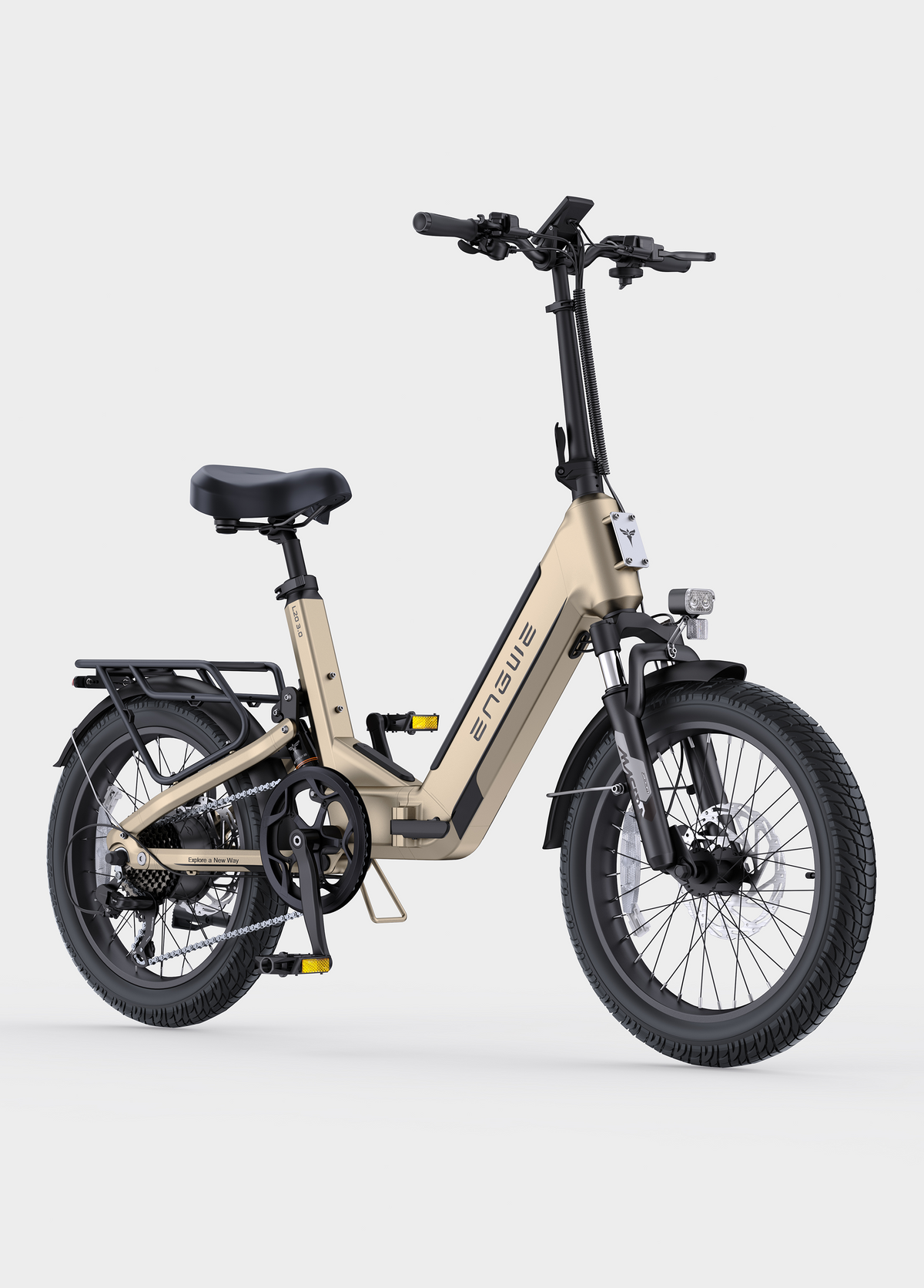
ENGWE L20 3.0 Full-Suspension Utility E-Bike
A step-through folding utility e-bike with a 720Wh removable LG battery, 90Nm torque, full suspension, hydraulic brakes and connected anti-theft features.
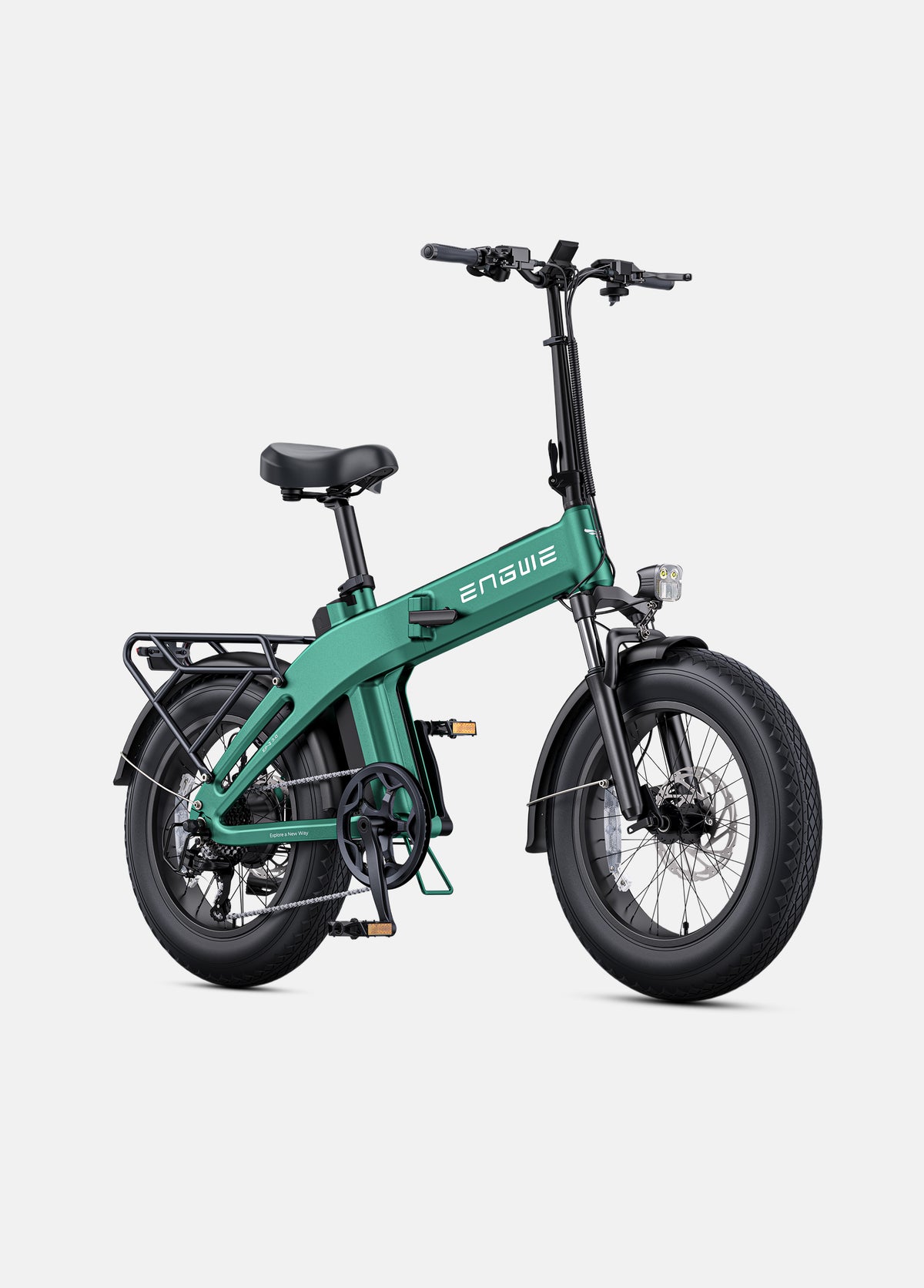
ENGWE EP-2 3.0 Folding Commuter E-Bike
A foldable fat-tire commuter with a 720Wh battery, 90Nm torque, 8A fast charging, hydraulic brakes, GPS-enabled anti-theft features and up to 65 miles claimed range.
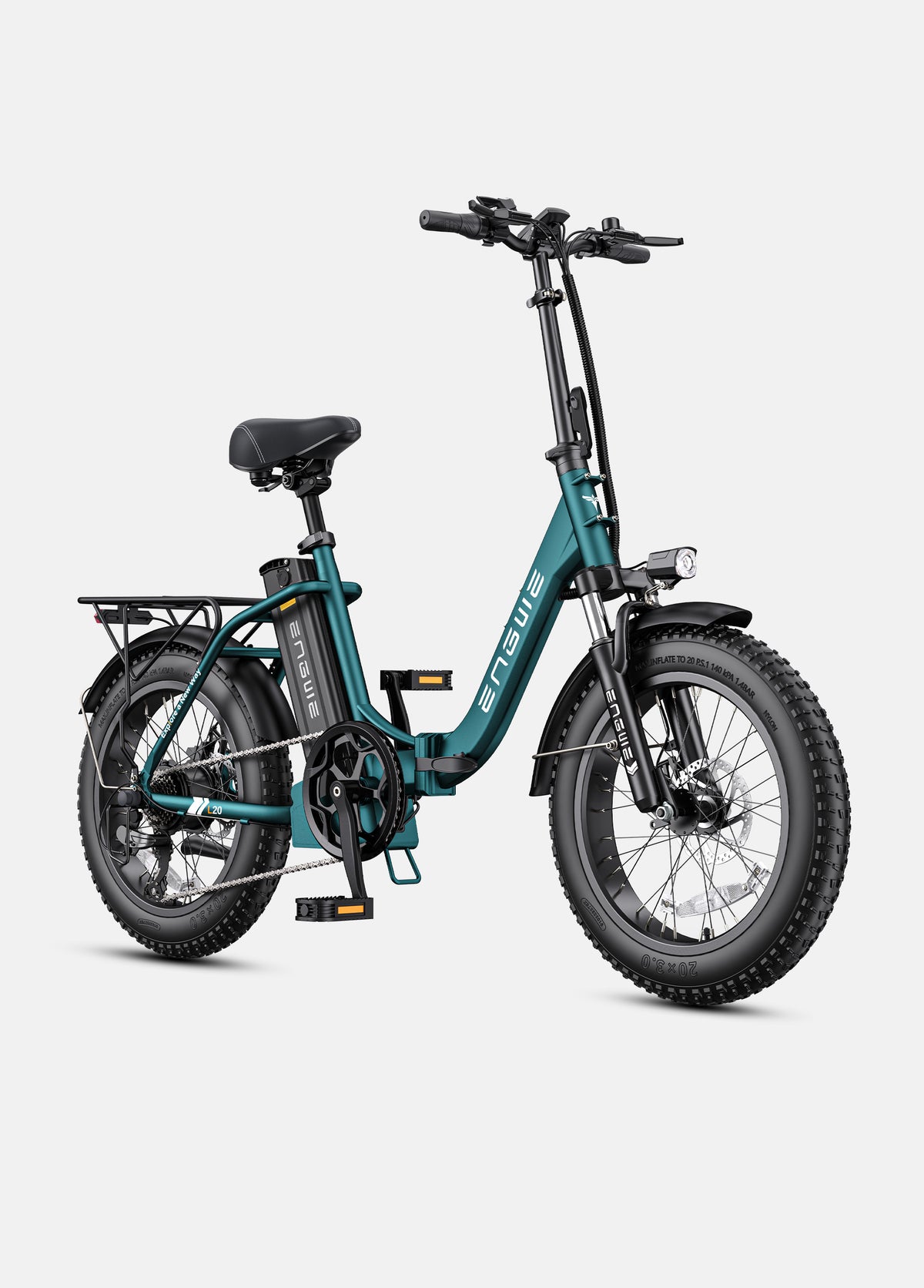
ENGWE L20 2.0 Step-Through Utility E-Bike
A lower-priced folding step-through utility bike with a rear rack, 1,125W peak output, 75Nm torque and up to 68 miles of advertised range.
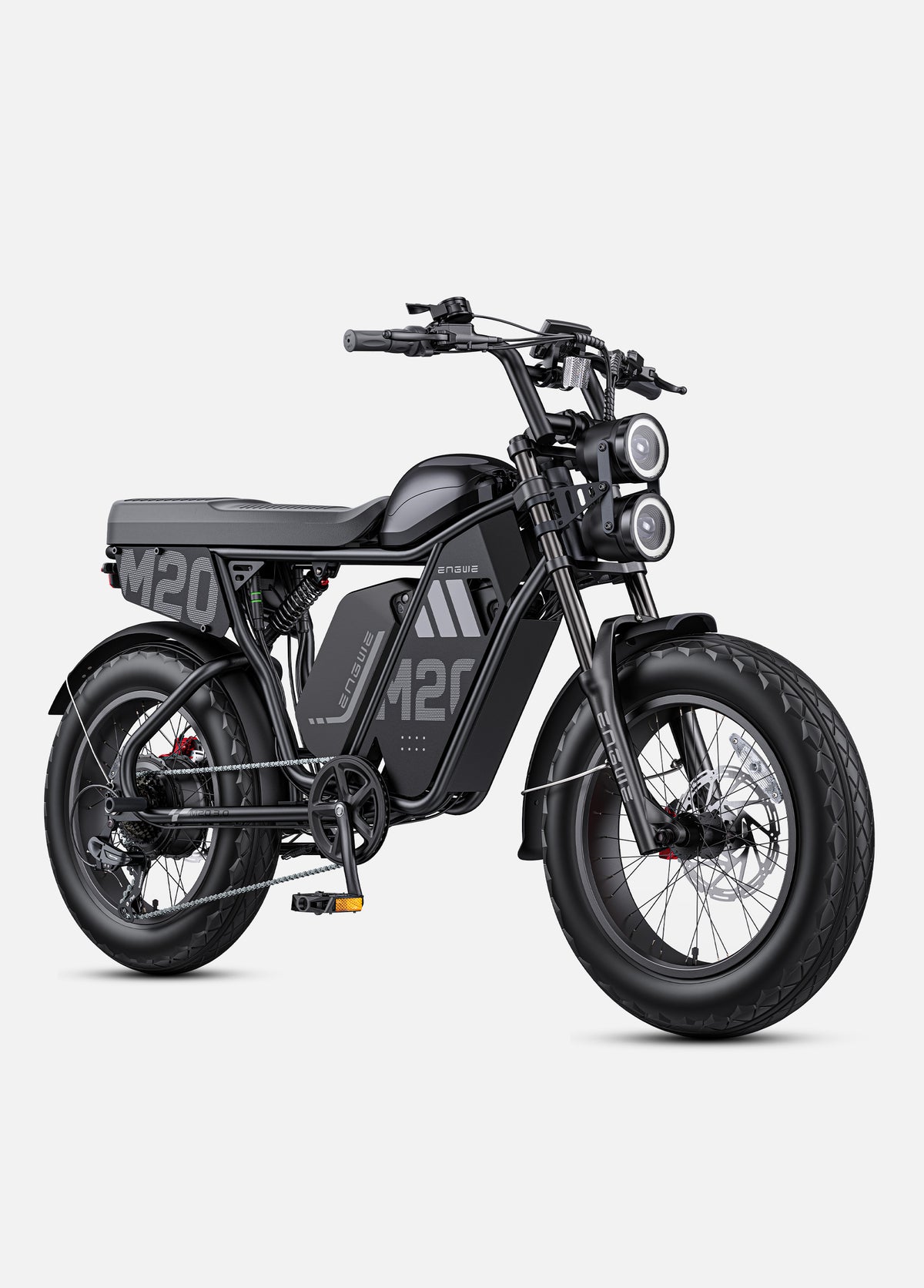
ENGWE M20 3.0 Moped-Style E-Bike
A high-output moped-style model with 3,300W peak power, 120Nm torque, full suspension, four-piston hydraulic brakes and single- or dual-battery options.
What is ENGWE?
ENGWE is an electric-mobility brand best known for folding, fat-tire, commuter, utility and moped-style e-bikes. The U.S. store covers a wide price and performance range, from approachable step-through models to high-powered bikes designed for longer rides and mixed terrain.
The brand’s appeal is easy to understand: many ENGWE models combine a removable battery, rear rack, wide tires, pedal assist and a folding frame at prices below numerous premium commuter-bike brands. The trade-off is that several models are much heavier and more powerful than a conventional bicycle, so buyers need to think about storage, local laws, maintenance and how they will actually use the bike.
Why ENGWE belongs in Sustainable Living
An e-bike can support a lower-impact routine when it replaces trips that would otherwise be made by car. Commuting, grocery runs, school drop-offs, errands and short recreational journeys are the clearest opportunities. Electric assistance also makes cycling accessible to more people by reducing the effort required on hills, into headwinds or while carrying cargo.
That does not make every e-bike purchase automatically sustainable. Manufacturing an aluminum frame, motor and lithium-ion battery has an environmental cost. A very heavy, high-powered bike used only occasionally may deliver less practical benefit than a simpler model ridden every day. The most sustainable choice is therefore the bike that fits the rider, local infrastructure and real transportation needs well enough to be used consistently for years.
ENGWE’s strongest contribution to sustainable living is not a single headline specification. It is the availability of different formats—step-through, folding, utility and long-range—that can make car-free or car-light travel more realistic for different households.
ENGWE’s current e-bike range at a glance
- Step-through utility bikes: easier mounting, upright riding positions and rear racks for commuting and errands.
- Folding commuter bikes: compact frames for apartments, RVs and multimodal travel, although most ENGWE models remain too heavy to carry casually.
- Fat-tire bikes: wider tires for stability and mixed surfaces, with extra rolling resistance and weight compared with narrower commuter tires.
- Moped-style e-bikes: high power, long seats and suspension for riders prioritizing speed and acceleration.
- Cargo and long-tail models: platforms designed to carry shopping, equipment or passengers with suitable accessories.
- Accessories and replacement parts: bags, racks, batteries, chargers, locks and other model-specific components.
Best overall for practical daily riding: ENGWE L20 3.0
The L20 3.0 is the most balanced model in this review. Its step-through aluminum frame, rear rack, 20-by-3-inch tires and full suspension make it easier to use for errands and daily rides than a high-step adventure bike. ENGWE lists a 750W rated motor with 1,500W peak output, 90Nm of torque, a 720Wh removable LG battery and up to 60 miles of range in its lowest pedal-assist setting under controlled conditions.
The bike also includes an 8A charger, hydraulic disc brakes with 203mm rotors, an eight-speed Shimano drivetrain and an IoT module with GPS, 4G and Bluetooth. The official specification lists UL 2849 certification by TÜV Rheinland. Smart anti-theft alerts and location features are useful for city riders, although they should complement—not replace—a strong physical lock and careful parking.
Comfort is a major strength. Full suspension, a soft saddle and an upright riding position can help on broken pavement and longer trips. The downside is weight: ENGWE lists the bike at 34.5kg, or about 76 pounds. Folding reduces storage volume, but it does not transform the L20 3.0 into a lightweight bike for stairs or frequent lifting.
Best folding commuter: ENGWE EP-2 3.0
The EP-2 3.0 is designed for riders who want a compact commuter with broader all-terrain capability. It has a folding step-through magnesium-alloy frame, 20-by-4-inch tires, a 750W rated and 1,500W peak motor, 90Nm of torque and a 720Wh removable battery. ENGWE advertises up to 65 miles in pedal-assist level one, depending on rider weight, terrain, weather, tire pressure and riding style.
Like the L20 3.0, it combines torque- or cadence-based assistance, an 8A charger, hydraulic brakes, GPS-enabled smart features and UL 2849 certification. The larger fat tires offer stability and comfort on rough surfaces, but they also add bulk and rolling resistance. At about 75.4 pounds, the EP-2 3.0 is foldable for storage or vehicle transport—not a bike most people will enjoy carrying through a train station every day.
This model is best for commuters who need one bike for paved roads, gravel paths and weekend riding. Riders who stay exclusively on smooth city streets may prefer a lighter e-bike with narrower tires.
Best value step-through: ENGWE L20 2.0
The L20 2.0 is the price-conscious choice in this group. The current product page lists a promotional price well below the newer 3.0 models while retaining a folding step-through frame, utility-friendly rear rack, fat tires and a claimed range of up to 68 miles.
ENGWE lists 1,125W peak output and 75Nm of torque. That is less than the newer L20 3.0, but still substantial for hills, heavier riders and loaded errands. The lower price makes the L20 2.0 appealing to first-time e-bike buyers who care more about practical transportation than the newest connected features.
The compromise is that the 2.0 generation has a simpler feature set, and buyers should compare the exact battery, suspension and seatpost configuration associated with the selected color. Promotions can also change quickly. It is worth checking the live specification table rather than assuming every variant is identical.
Best for power and moped-style riding: ENGWE M20 3.0
The M20 3.0 sits at the performance end of ENGWE’s range. ENGWE advertises a 3,300W peak motor, 120Nm of torque, full suspension, four-piston hydraulic brakes and a top speed of up to 40 mph in off-road mode. Single- and dual-battery configurations are offered, with the dual-battery version designed for substantially longer pedal-assist range.
This is not the model we would automatically recommend for a quiet bike-path commute. Its power, speed and moped-style layout may place it outside ordinary e-bike rules in some states, cities or trails. Registration, licensing, helmet, age and access requirements vary. The rider is responsible for checking local law and using an appropriate mode and speed.
For people with a legal place to ride and a genuine need for higher performance, the M20 3.0 offers strong brakes, a long seat, wide tires and rapid charging. From a sustainable-living perspective, it makes the most sense when it meaningfully replaces car or motor-scooter trips—not when maximum power is the only reason for purchase.
A note on the ENGWE LE20 cargo bike
ENGWE also sells the LE20, a long-tail cargo e-bike offered with single- and dual-battery configurations and accessories for carrying goods or passengers. Cargo e-bikes can have an especially strong role in a car-light household because they handle larger errands that a standard bicycle cannot. At the time of our review, however, the U.S. product page showed the LE20 as out of stock, so we prioritized currently listed in-stock models in the featured product section below.
Battery range: treat the maximum as a best-case figure
ENGWE’s longest range claims are generally measured in a low pedal-assist mode under controlled conditions. Real-world range can be much lower when using the throttle, riding at high speed, climbing hills, carrying cargo, facing cold weather or running low tire pressure.
A practical buyer should estimate range based on the hardest routine trip, then leave a safety margin. For example, a 20-mile round-trip commute should not be planned around a theoretical 25-mile maximum. Removable batteries are convenient for indoor charging, but their weight and replacement cost should be considered before purchase.
Battery care matters for longevity. Use the supplied charger, avoid charging near combustible materials, inspect the battery after impacts, and follow ENGWE’s storage guidance. Do not use a damaged, swollen or water-compromised battery. Local recycling programs should be used when a lithium-ion battery reaches the end of its service life.
Folding does not always mean portable
Several ENGWE bikes fold at the frame and handlebar. This is genuinely useful for reducing the space needed in a garage, apartment, RV or vehicle. It is less useful when the buyer expects to lift the bike repeatedly. The L20 3.0 and EP-2 3.0 each weigh around 75 to 76 pounds before adding cargo or accessories.
Before buying, measure the storage area, car opening and stair route. Riders in upper-floor apartments without elevators may be better served by a lighter e-bike, even if the lighter model offers less power or range.
Assembly and maintenance
ENGWE bikes arrive partially assembled. Typical setup includes installing or aligning components, checking tire pressure, tightening fasteners and verifying brakes and shifting. A professional bicycle mechanic is worth considering for buyers who are not confident with mechanical assembly, especially on a heavy and fast e-bike.
Fat tires, hydraulic brakes, suspension and high-output motors provide comfort and capability but also create more maintenance points. Owners should regularly inspect brake-pad wear, rotor alignment, tire pressure, spoke tension, folding mechanisms and electrical connectors. Keeping a heavy e-bike safe requires more than charging the battery.
Safety, certification and local rules
The current official specifications for the L20 3.0 and EP-2 3.0 list UL 2849 certification by TÜV Rheinland. Certification is a meaningful purchase consideration for the electrical system, but it does not remove the need for safe charging, correct maintenance or compliance with local riding rules.
Many U.S. jurisdictions use Class 1, Class 2 and Class 3 e-bike definitions, often with speed and motor-power limits. ENGWE models can have settings or performance figures beyond what is permitted on particular roads, paths or trails. Confirm the legal configuration before riding, and use lights, reflectors, a properly fitted helmet and visible clothing.
Shipping, returns and warranty
ENGWE’s U.S. shipping policy states that qualifying orders receive free shipping and that delivery is limited to the 48 contiguous states. In-stock products normally require one to two business days of processing, followed by an estimated three to seven business days in transit. Large bikes may arrive in separate packages from accessories or secondary batteries.
The return policy provides a 30-day request window. The bike must generally remain unused or show fewer than 10 kilometers, include the original items and packaging, and have proof of purchase. Consumer-caused returns can involve shipping charges, and the policy lists potentially substantial deductions or restocking costs in certain circumstances. Because an e-bike is expensive to ship back, frame size, rider height, storage, local legality and intended use should be checked carefully before ordering.
ENGWE’s warranty table lists 12 months for the frame, motor, battery and many electrical components, with shorter periods for some wear-related or accessory parts. Coverage is for manufacturing defects and excludes many forms of misuse, modification, collision, water damage and normal wear. The company generally resolves approved claims by diagnosing the issue and sending replacement parts rather than automatically replacing the entire bike.
What we like
- Wide selection of practical step-through, folding, utility and performance formats.
- Strong motor and battery specifications for the price.
- Removable batteries and rear racks on several commuter-focused models.
- Fast 8A charging and connected anti-theft functions on newer 3.0 bikes.
- UL 2849 certification is listed for selected current models.
- Current U.S. promotions make some models highly competitive on upfront price.
What could be better
- Many models are very heavy even when folded.
- High power and speed can create legal restrictions and additional safety concerns.
- Maximum range figures may be difficult to reproduce in everyday use.
- Product generations and variants can make comparison confusing.
- Returns can be costly, and the low permitted mileage leaves little room for extended testing.
- Warranty service may require customer troubleshooting and installation of replacement parts.
Who should consider ENGWE?
- Commuters who want strong assistance, a removable battery and utility features.
- Households trying to replace some short car trips with an e-bike.
- Riders who need a folding frame for storage rather than frequent carrying.
- People who value fat-tire stability and comfort on mixed surfaces.
- Value-focused buyers comfortable performing maintenance or working with a local bike shop.
Who may want to look elsewhere?
- Apartment residents who must carry the bike up multiple flights of stairs.
- Riders seeking a lightweight, natural-feeling bicycle experience.
- People whose local paths restrict high-powered or throttle-equipped e-bikes.
- Buyers who require a nationwide dealer network to handle every repair.
- Anyone who cannot store and charge a large lithium-ion battery safely.
Our verdict
ENGWE earns an editorial rating of 4.4/5. The brand offers unusually broad capability for the money, particularly in the L20 3.0 and EP-2 3.0. Their fast charging, strong brakes, removable batteries and utility-focused designs can make everyday e-bike transportation more realistic for riders who would not choose a conventional bicycle.
Our top pick is the L20 3.0 because its step-through frame, rear rack, full suspension and connected security features balance comfort and daily usefulness. The EP-2 3.0 is better for mixed-surface commuters, the L20 2.0 offers the strongest current value, and the M20 3.0 is reserved for riders who genuinely need high performance and can use it legally.
ENGWE fits Sustainable Living when the bike is chosen as a transportation tool rather than simply a powerful gadget. Measure your storage space, check local rules, review the return costs and select the least complicated model that will reliably replace real vehicle trips.
Pros and cons
What stands out
- Strong performance and battery specifications for the price
- Useful commuter features including racks, lights and removable batteries
- Several formats can replace short car trips and everyday errands
- Newer models include hydraulic brakes, connected tracking and fast charging
- Frequent promotions improve upfront affordability
Trade-offs
- Most featured models are heavy and difficult to carry
- High speed and power may be restricted by local rules
- Advertised maximum range depends on ideal riding conditions
- Returns can involve significant shipping or restocking costs
- Warranty support may require diagnosis and customer-installed parts
Rating details
Product details
Learn More
Consult a qualified healthcare professional before using supplements or making significant changes to diet, exercise or treatment.
What readers say
No reviews yet
Write a review
Share your experience with other readers.

Be the first reader to share an experience.