
We may not have personally tested every product. This review is based on official product information, product specifications and comparative research. It is not medical advice.

Featured products to compare
Prices and availability can change. Visit the official website for the latest information.
Assorted 3 Pack
One small, one medium and one large reusable wrap for produce, cheese, leftovers, bowls and snacks.
Bee’s Wrap Roll
A 14-by-52-inch roll that can be cut to fit bread, dishes, sandwiches, fruit, cookies and other foods.
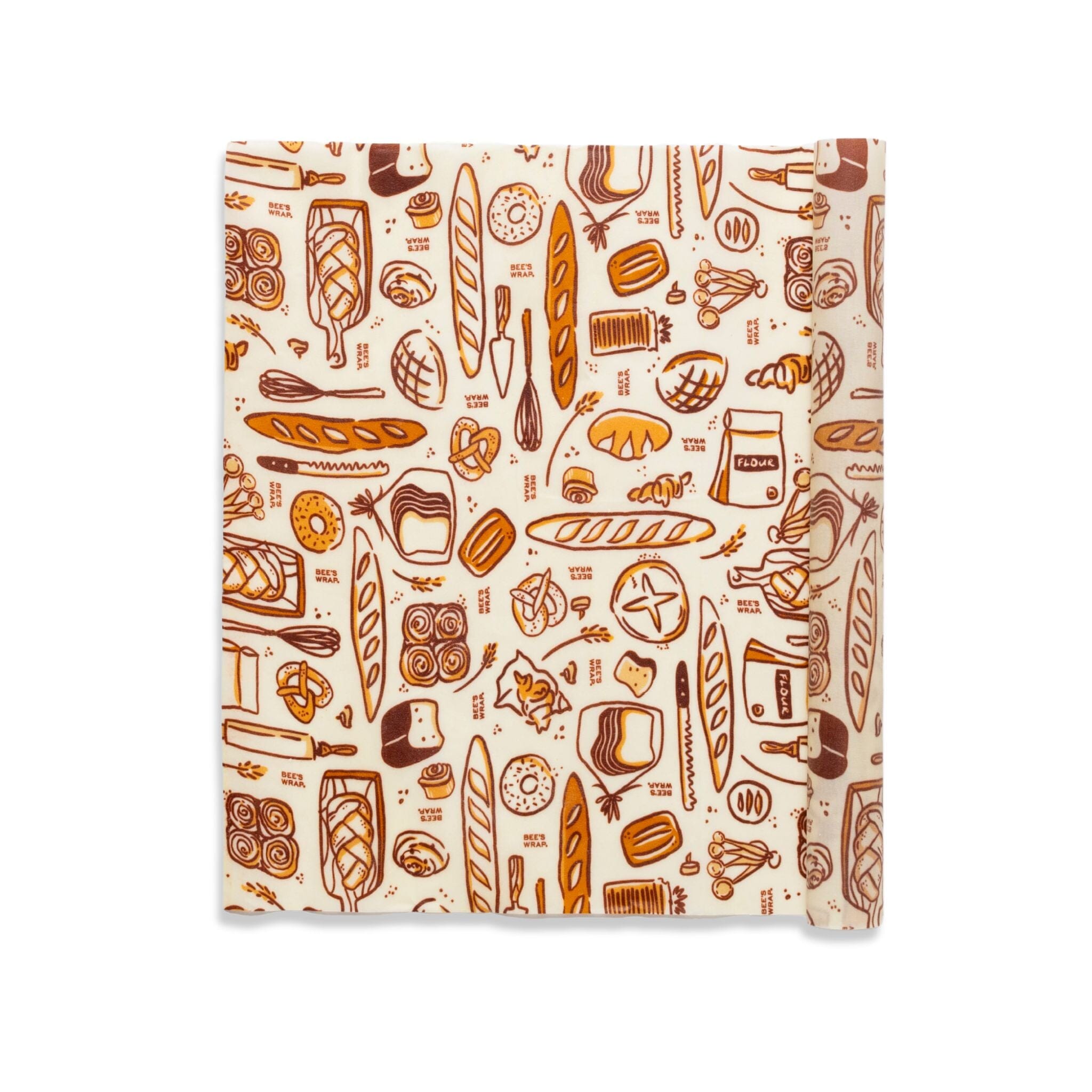
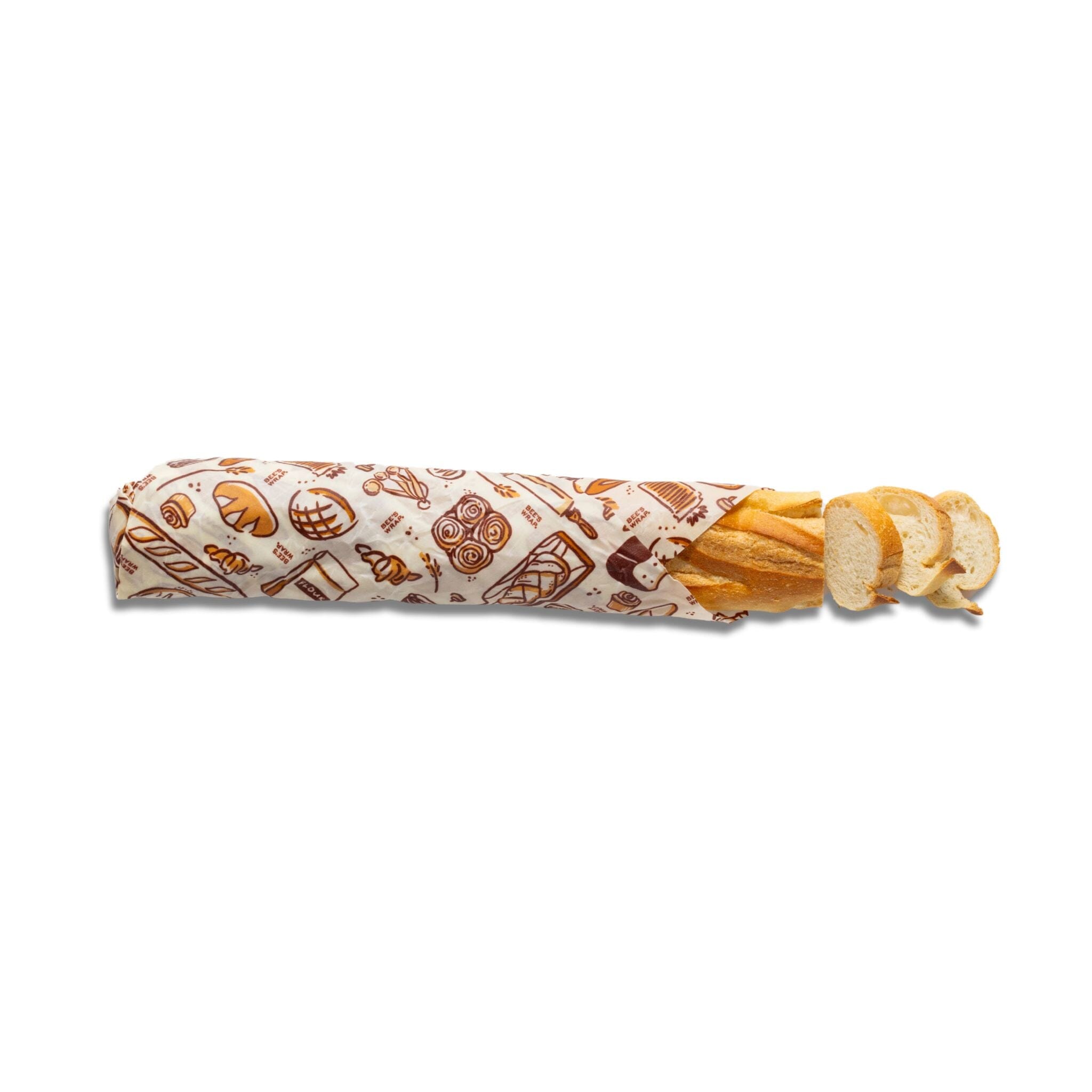
Bread Wrap
A 17-by-23-inch wrap designed for sourdough, sandwich loaves, ciabatta, proofing and dough preparation.
Sandwich Wrap
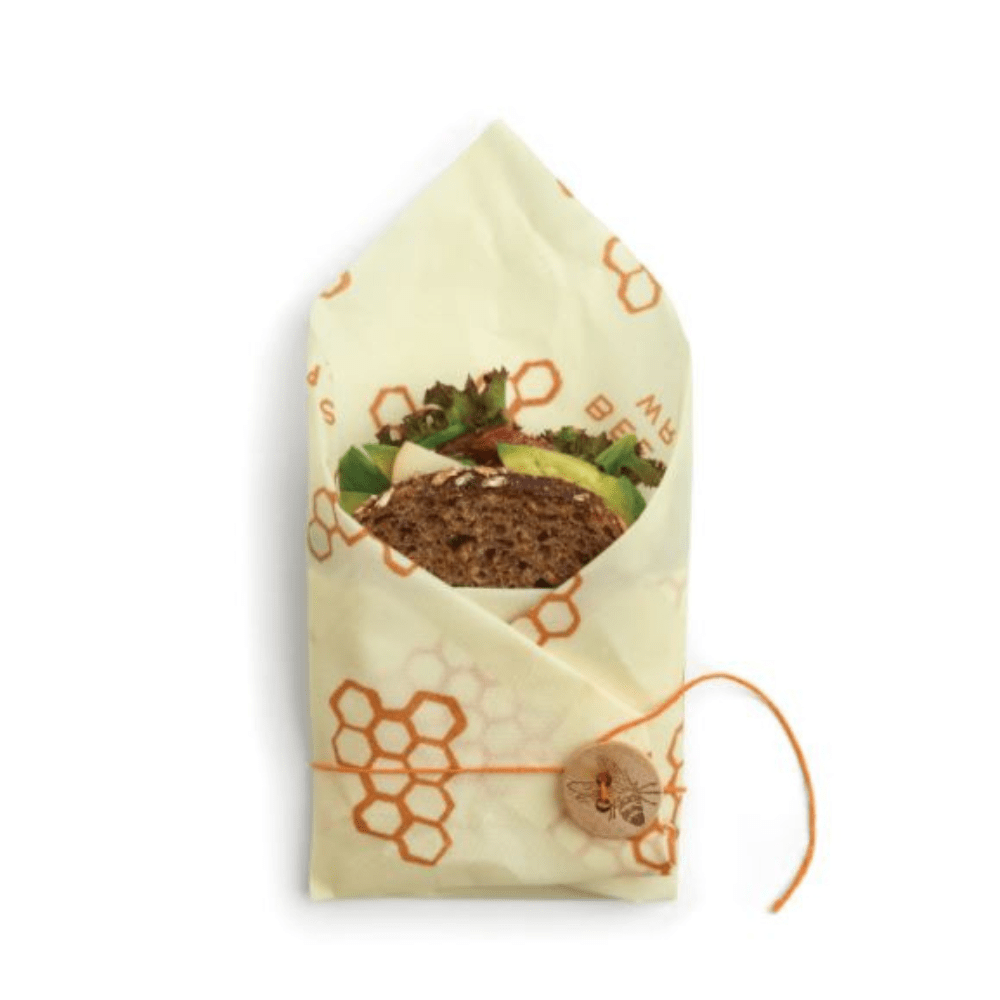
A 13-by-13-inch wrap with string and wooden bee button that unfolds into a placemat at lunchtime.
Quick verdict
Bee’s Wrap is a practical, well-established alternative to disposable plastic wrap for bread, cheese, produce, bowls, snacks and packed lunches. Its standard wraps combine GOTS-certified organic cotton with responsibly sourced beeswax, organic plant oil and tree resin, creating a flexible sheet that softens with the warmth of your hands and firms up again as it cools.
Our overall rating is 4.8/5. The product is easy to understand, reusable for roughly a year with proper care and compostable at the end of its useful life. The biggest limitations are heat sensitivity, the need for hand-washing, a noticeable wax scent when new and the fact that it is not appropriate for every food-storage task.
What is Bee’s Wrap?
Bee’s Wrap is a Vermont-based reusable food-storage brand founded in 2012 by Sarah Kaeck. The original idea was to replace throwaway plastic wrap with a washable material made from cotton and wax. The current catalog includes individual wraps, assorted packs, customizable rolls, bread wraps, sandwich wraps, lunch packs, produce bags, vegan wraps and several kitchen accessories.
The brand is a Certified B Corporation, with B Lab listing certification since April 2019. Bee’s Wrap also states that it participates in 1% for the Planet and uses its business to support work related to plastic reduction, ocean protection and pollinator education.
How Bee’s Wrap works
The wrap becomes more pliable when warmed between your hands. Press it around a piece of food, fold it around a sandwich or shape it over the rim of a bowl. As the material cools, it holds a light seal. Unlike an airtight zipper bag, the wrap is breathable, which can be useful for foods such as bread and cheese that may suffer when moisture is trapped.
The grip is intentionally gentler than cling film. It usually seals best when the sheet overlaps itself or when it can be pressed around a firm edge. Very cold hands, an under-sized sheet or an older wrap that has lost wax can make the seal feel weaker.
Materials: four simple ingredients
The standard beeswax line is made from GOTS-certified organic cotton, responsibly sourced beeswax, organic plant oil and tree resin. Cotton gives the wrap its structure, beeswax helps it seal, plant oil maintains flexibility and tree resin improves tack and durability.
Bee’s Wrap also sells vegan products. In those versions, the company substitutes plant-based waxes for beeswax and lists materials including candelilla wax, soy wax, organic coconut oil and tree resin. The vegan line contains coconut and soy, so shoppers with relevant sensitivities should read the exact product page before purchasing.
What can you store in it?
Bee’s Wrap is best suited to bread, cheese, cut fruit, vegetables, herbs, baked goods, sandwiches, snacks and bowls of fully cooled leftovers. The Assorted 3 Pack is especially useful for first-time buyers because the small, medium and large sheets reveal which size fits a household’s routine.
The large roll is more customizable: users can cut a 14-by-52-inch sheet into shapes for breads, dishes, cookies or unusually sized foods. Purpose-built formats such as the Bread Wrap and Sandwich Wrap reduce folding guesswork and can be easier for daily use.
Important limitations
Heat is the main enemy. Hot water, microwaves, ovens, dishwashers, direct sun, hot cars and food that has not fully cooled can soften or melt the wax coating. Wraps should be rinsed only in cool water with mild dish soap and then air-dried.
Bee’s Wrap is also not recommended for direct contact with raw meat. For foods that carry a higher cross-contamination risk, use a washable rigid container designed for thorough hot-water cleaning. The wraps are not a universal replacement for every bag, lid or container in the kitchen.
Cleaning and care
Cleaning is simple but more hands-on than discarding plastic wrap. Rinse the wrap in cool water, add a small amount of mild dish soap when needed and gently wipe rather than aggressively scrubbing. Air-dry it over a rack or jar, fold it when dry and store it away from heat.
Stains and creases can appear over time without necessarily making the wrap unusable. The practical end point is when it becomes thin, very soft or unable to stick to itself. Bee’s Wrap says its wraps typically last about one year with regular use and proper care, though actual life depends on frequency, food type, washing habits and heat exposure.
Freshness and everyday performance
For cheese, herbs, firm produce and sandwiches, the wrap provides a useful balance between protection and breathability. Bread is a more variable test because crust, humidity, recipe and room temperature all affect staling and mold. The wrap can help avoid the extreme moisture trap of a sealed plastic bag, but it cannot guarantee that every loaf will remain fresh for the same number of days.
New wraps have a clear beeswax aroma. The company says this scent fades after the first several uses and washes. Many users enjoy it, but fragrance-sensitive buyers may prefer the vegan line or another reusable storage method.
Compostability and end of life
Bee’s Wrap describes its wraps as biodegradable and compostable. When a sheet no longer grips, the company recommends cutting it into strips for a home compost pile or using it as a natural fire starter. Composting performance still depends on local conditions, so decomposition will not be immediate in every environment.
The packaging is also designed with end of life in mind. Bee’s Wrap states that it uses 100% recycled paper with a biodegradable cellulose window and that its packaging is recyclable and fully biodegradable.
Standard beeswax versus vegan wraps
The standard line is the best-known option and has the familiar honey-like scent. The vegan line is the better fit for people avoiding animal-derived ingredients, but it uses soy and coconut-derived components. Both lines are intended to be washed, reused and composted; exact feel, scent and available prints can differ.
Neither version should be bought solely on a broad “eco-friendly” label. The strongest sustainability benefit comes when the same wrap is used consistently enough to displace many disposable sheets or bags.
Product range and pricing
At the time of this review, the Assorted 3 Pack and Lunch Pack were listed at $19.99, the Roll at $24.99, the Bread Wrap at $14.99 and the Sandwich Wrap at $9.99. Prices, prints and promotions can change, so the current product page should be checked before publishing an advertisement or purchase recommendation.
The entry cost is higher than a single box of plastic wrap, but value improves when the product is used frequently for many months. The Assorted 3 Pack offers the safest starting point. The Roll is better for households that want custom sizes, while the Bread Wrap and Sandwich Wrap make sense for repeat, specialized use.
Shipping and returns
Bee’s Wrap ships orders from the United States and publishes destination-specific rates and restrictions. Its current return policy offers a 30-day money-back guarantee. International availability can change, and the FAQ currently notes limitations for direct shipping to the European Union, so overseas buyers should confirm local retailers and checkout eligibility.
Sustainability credentials: what they mean
GOTS certification relates to the organic textile and processing requirements associated with the cotton fabric and printing. B Corp certification evaluates broader company practices across governance, workers, community, environment and customers. These credentials add useful external structure, but they do not mean the product has zero environmental impact.
Manufacturing, wax and cotton production, packaging and shipping still use resources. The most credible use case is therefore repeated replacement of disposable food-storage materials—not buying multiple wraps that are rarely used.
Who should buy Bee’s Wrap?
- Households trying to reduce routine use of disposable plastic wrap and sandwich bags.
- Home bakers who regularly store bread, dough or baked goods.
- People who pack sandwiches, fruit, cheese and dry snacks for work or school.
- Shoppers willing to hand-wash with cool water and protect the product from heat.
- Gift buyers looking for an attractive, low-waste kitchen starter product.
Who should skip it?
- Anyone who needs microwave-safe, dishwasher-safe or high-heat food storage.
- People who primarily store raw meat or very wet, leak-prone foods.
- Users who require a fully airtight, spill-proof seal.
- Shoppers sensitive to beeswax aroma who do not want the vegan alternative.
- Households unlikely to wash and reuse the product consistently.
Pros and cons
Pros: natural-material construction, useful size range, simple care routine, attractive prints, purpose-built bread and lunch formats, approximately one year of potential use and a compostable end-of-life option.
Cons: cannot tolerate heat, is not suitable for raw meat, is less airtight than rigid containers, can carry a noticeable scent when new and costs more upfront than disposable wrap.
Our verdict
Bee’s Wrap earns 4.5 out of 5. It is one of the more convincing reusable-wrap systems because the product is straightforward, the ingredient list is transparent and the range covers both general and specialized storage. It works best as part of a mixed kitchen system alongside glass containers and washable bags rather than as a replacement for every form of food storage.
For most first-time buyers, the Assorted 3 Pack is the best place to begin. Choose the Roll for custom sizing, the Bread Wrap for frequent baking and the Sandwich Wrap for packed lunches. The product is worth considering when its care restrictions match the buyer’s habits and it will be reused often enough to replace disposable plastic.
Pros and cons
What stands out
- Transparent, short material list
- Multiple sizes and specialized formats
- Easy to shape using hand warmth
- Attractive prints and gift-friendly presentation
- Reusable and compostable end-of-life design
- Standard and vegan options available
Trade-offs
- Heat-sensitive and not dishwasher or microwave safe
- Not recommended for direct contact with raw meat
- Not fully airtight or spill-proof
- Beeswax scent may bother sensitive users
- Requires regular hand-washing and air-drying
- Higher upfront cost than disposable plastic wrap
Rating details
Product details
Learn More
Consult a qualified healthcare professional before using supplements or making significant changes to diet, exercise or treatment.
What readers say
No reviews yet
Write a review
Share your experience with other readers.

Be the first reader to share an experience.