
We may not have personally tested every product. This review is based on official product information, product specifications and comparative research. It is not medical advice.
Featured products to compare
Prices and availability can change. Visit the official website for the latest information.
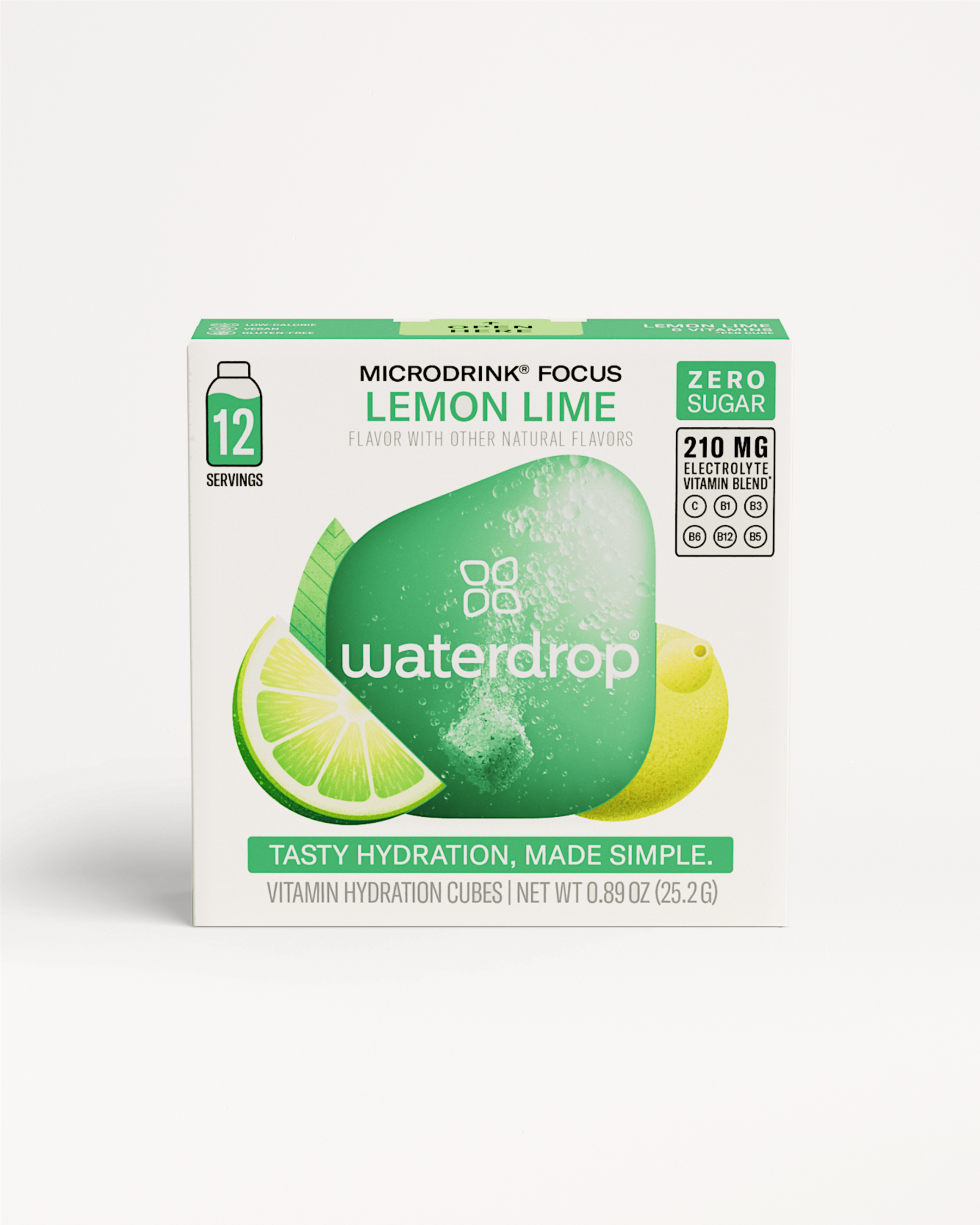
LEMON LIME Microdrink, 12 Servings
A zero-sugar lemon-leaf-and-lime hydration cube with vitamin C, selected B vitamins and modest sodium and potassium.
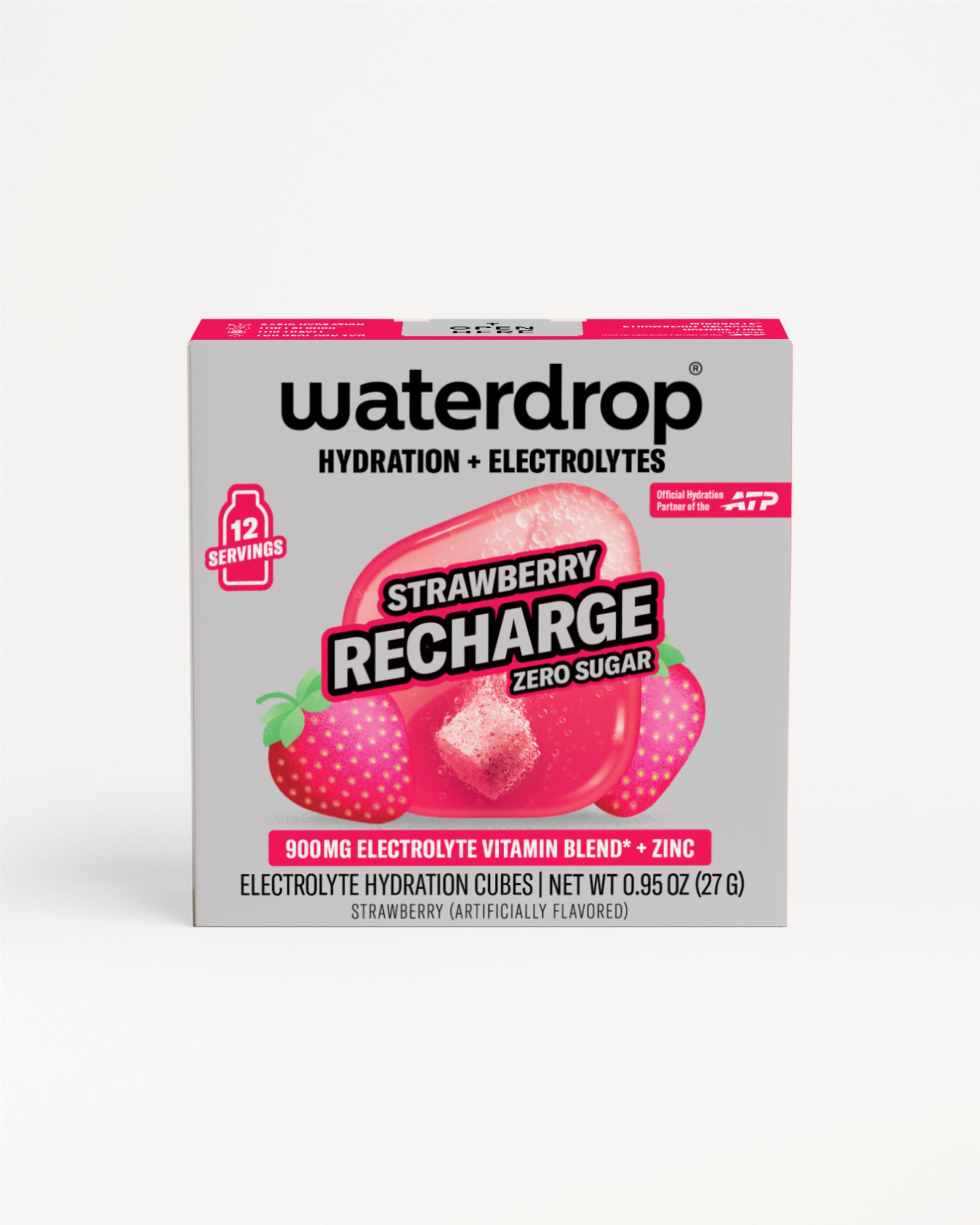
STRAWBERRY RECHARGE Microlyte, 12 Servings
A zero-sugar, caffeine-free electrolyte cube with sodium, calcium, magnesium, chloride, six vitamins and zinc.
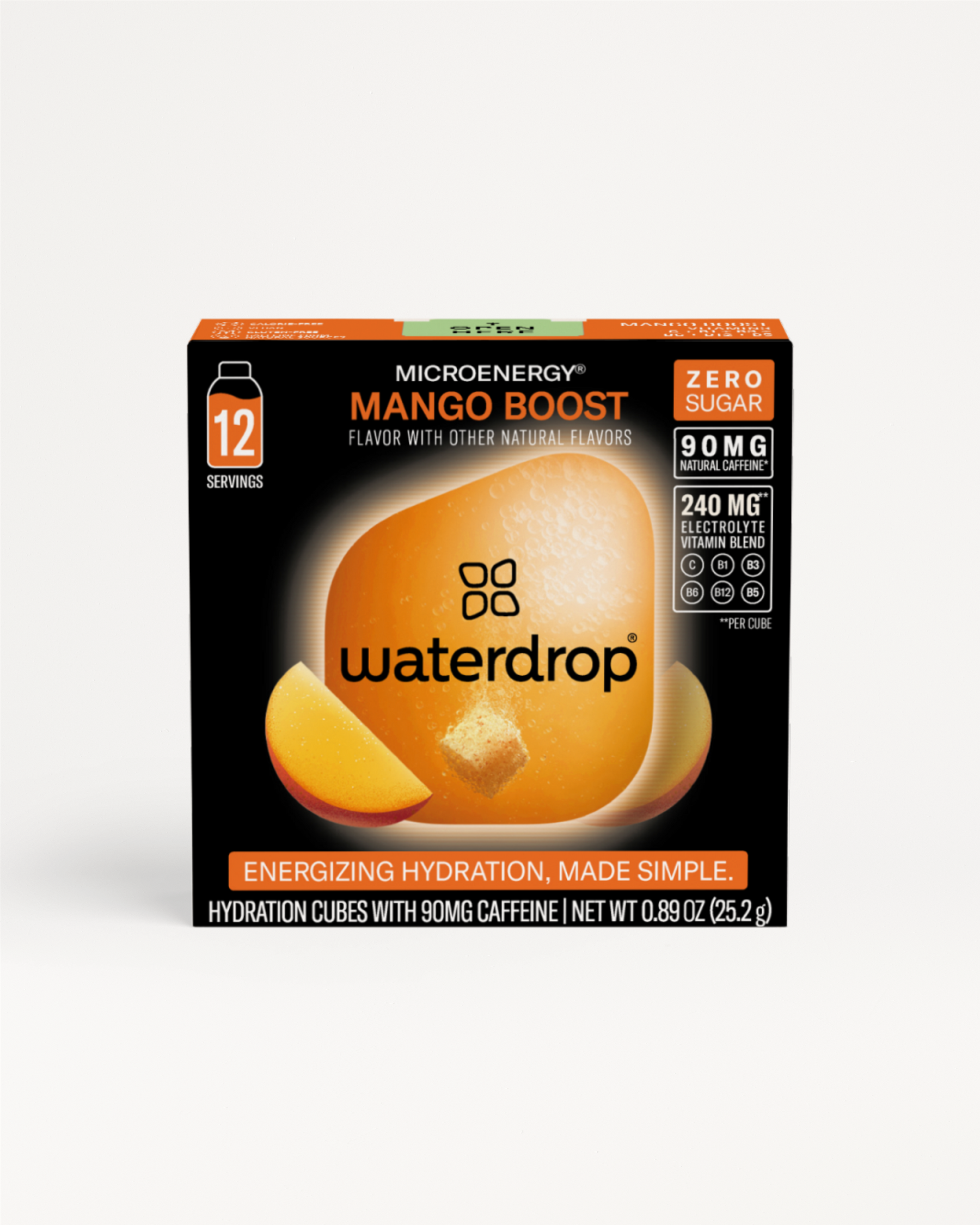
MANGO BOOST Microenergy, 12 Servings
A zero-sugar mango-and-guayusa hydration cube with 90 mg caffeine, vitamin C and selected B vitamins.
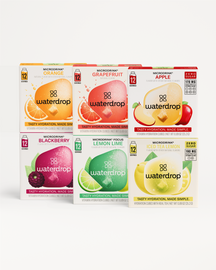
Bestseller Set, 72–84 Servings
A multipack of popular Microdrink flavors with Iced Tea Lemon and an optional MANGO BOOST caffeinated variant.
What is waterdrop?
waterdrop is an Austrian hydration brand built around small effervescent cubes that dissolve in still or sparkling water. The original Microdrink concept was developed in Vienna in 2016 by Martin Murray, his brother Henry and their friend Christoph Hermann as a portable alternative to buying prefilled flavored drinks.
The company now sells three main consumable lines:
- Microdrink: sugar-free flavor cubes with fruit or plant extracts and selected vitamins.
- Microlyte RECHARGE: zero-sugar electrolyte cubes with sodium, calcium, magnesium, chloride, vitamins and zinc.
- Microenergy BOOST: zero-sugar hydration cubes with 90 mg caffeine and selected vitamins.
waterdrop also sells glass and stainless-steel bottles, tumblers, lids, starter sets, multipacks and subscription bundles.
Our quick verdict
waterdrop earns a 4.8/5 editorial rating. The cubes are portable, easy to use and more interesting than plain water without adding sugar. The range also separates ordinary flavored hydration, electrolyte replacement and caffeine into clearly different collections.
The most important limitation is that the standard Microdrink is not a high-electrolyte sports product. LEMON LIME contains only modest sodium and potassium, whereas Microlyte RECHARGE is the line designed for exercise, heat and meaningful sweat loss.
LEMON LIME Microdrink is the best overall introduction for everyday use. STRAWBERRY RECHARGE is the better choice for electrolyte replacement, MANGO BOOST suits adults who deliberately want caffeine, and the Bestseller Set provides better value for households ready to commit to many servings.
How waterdrop cubes work
- Pour approximately 12–20 fluid ounces of cold still or sparkling water.
- Remove one cube from its individual blister.
- Drop the cube into the water.
- Allow it to dissolve completely.
- Adjust future water volume according to taste.
The finished drink may be consumed immediately. Some Microlyte residue can remain because of the concentrated magnesium content; the company states that this is normal.
Microdrink, Microlyte and Microenergy are not interchangeable
RangeMain purposeKey difference MicrodrinkEveryday flavored hydrationFruit or plant extracts, vitamins and zero sugar Microlyte RECHARGEExercise, heat, travel and sweat replacementFour electrolytes, vitamins and zinc Microenergy BOOSTHydration plus stimulation90 mg caffeine, vitamins and zero sugarA shopper should choose the product family before choosing a flavor. Buying a regular Microdrink when significant electrolyte replacement is needed may provide less sodium and magnesium than expected. Conversely, using Microlyte for every ordinary glass of water may add minerals that are unnecessary for a sedentary person with a normal diet.
Best overall: LEMON LIME Microdrink
LEMON LIME is the easiest introduction to the brand because the citrus flavor works in both still and sparkling water. The company describes it as lemon leaf and lime with a profile similar to a sugar-free lemon-lime soft drink.
Each current cube provides approximately:
- 5 calories
- 0 g sugar
- 70 mg sodium
- 90 mg potassium
- 45 mg vitamin C
- Selected B vitamins at roughly 50% Daily Value
A 12-serving pack was listed at $13.99, equal to approximately $1.17 per drink before subscription or multipack discounts.
The product is currently labeled vegan and gluten-free. It uses sweetener, including sucralose in the current U.S. formulation, so people seeking an entirely unsweetened product should continue using plain water or add fresh citrus.
LEMON LIME is not designed as a high-sodium endurance drink. Its main benefits are flavor, portability and selected vitamins. It may help someone drink more water when plain water feels unappealing, but it does not make hydration physiologically superior for every ordinary situation.
Best electrolyte option: STRAWBERRY RECHARGE Microlyte
STRAWBERRY RECHARGE is the correct choice for customers specifically seeking electrolytes. Each cube currently provides:
- 0 calories and 0 g sugar
- 125 mg sodium
- 120 mg calcium
- 55 mg magnesium
- 120 mg chloride
- 2 mg zinc
- Vitamin C and five B vitamins
The 12-serving pack was listed at $14.99, or approximately $1.25 per drink.
The formula contains less sodium than several high-sodium endurance products. That can make it more approachable for moderate exercise, travel or hot days, but heavy sweaters and long-distance athletes may need a different electrolyte concentration and additional carbohydrate fuel.
Microlyte is zero sugar and calorie-free. This is useful for customers avoiding sugar, although carbohydrate can be beneficial during prolonged endurance activity. A zero-sugar electrolyte cube is not a complete sports-fueling strategy.
The product contains sucralose. Some customers may notice a sweetener aftertaste, and individual digestive tolerance differs.
Best caffeinated option: MANGO BOOST Microenergy
MANGO BOOST is a caffeinated hydration cube rather than a conventional electrolyte replacement product. Each cube currently contains:
- 90 mg caffeine
- 0 calories and 0 g sugar
- 60 mg sodium
- 70 mg potassium
- Vitamin C and selected B vitamins at approximately 100% Daily Value
The 12-serving pack was listed at $14.99.
Ninety milligrams of caffeine is comparable with a modest cup of coffee, although coffee caffeine varies widely. It should be counted alongside caffeine from coffee, tea, soda, chocolate, energy drinks, pre-workout products and medication.
The company states that Microenergy is not recommended for children or for people who are pregnant or breastfeeding. Caffeine-sensitive adults and people managing sleep, anxiety, blood pressure or heart-rhythm concerns should also be cautious.
MANGO BOOST contains sucralose and does not contain taurine or aspartame under the current formulation. The absence of sugar does not eliminate the possibility of caffeine-related jitters or sleep disruption.
Best variety purchase: Bestseller Set
The Bestseller Set is the better-value option for customers who already know that they enjoy waterdrop’s taste and sweetener profile.
The current set was listed at $69.99, reduced from $83.94, and contains either 72 or 84 servings depending on the selected variant.
The non-caffeinated selection includes popular Microdrink flavors such as Apple, Blackberry, Grapefruit, Lemon Lime and Orange, together with Iced Tea Lemon. A caffeinated version adds MANGO BOOST.
The set reduces the approximate price per serving, but it is a large commitment for a first-time buyer. Several flavors use similar sweeteners and effervescent bases, so disliking one product may indicate that a large mixed set is not suitable.
Choose the caffeine-free variant when the box will be shared with children or caffeine-sensitive family members. Even the Iced Tea products may contain a small amount of caffeine from tea extracts, so current labels should still be checked.
Featured product comparison
ProductServingsSugarMain featureBest for LEMON LIME Microdrink120 gFruit flavor and vitaminsEveryday flavored water STRAWBERRY RECHARGE120 gFour electrolytes, vitamins and zincExercise, travel, heat and sweat loss MANGO BOOST120 g90 mg caffeine and vitaminsAdults seeking hydration plus energy Bestseller Set72 or 840 gMultiple flavors and lower unit costRepeat buyers and householdsDoes waterdrop improve hydration?
waterdrop can indirectly support hydration when flavor makes a person more willing to drink water. However, the ordinary Microdrink formula does not create a universal need for extra vitamins or minerals.
For most routine daily activity, plain water and normal food are adequate. Microlyte is more relevant during substantial sweating because it supplies sodium, magnesium, calcium and chloride.
Severe dehydration, heat illness, persistent vomiting or diarrhea requires appropriate medical assessment. A retail hydration cube is not automatically equivalent to a clinically formulated oral rehydration solution.
Sodium and electrolyte context
STRAWBERRY RECHARGE contains 125 mg sodium per serving, while the featured LEMON LIME and MANGO BOOST contain lower amounts. Sodium supports fluid balance but is not beneficial without limit.
People with kidney disease, heart failure, high blood pressure, fluid restrictions or a prescribed low-sodium diet should discuss regular electrolyte use with their healthcare team.
Athletes should consider sweat rate, duration, climate, clothing and food intake. A low-to-moderate sodium cube may be enough for one person and insufficient for another.
Vitamins: useful but not a substitute for food
Most waterdrop cubes contain vitamin C and selected B vitamins. These nutrients support normal physiological processes, but adding vitamins to flavored water does not compensate for an inadequate diet.
Because several formulas provide 50–100% Daily Value of multiple vitamins, customers who drink several cubes and also take a multivitamin should review total intake. More is not always better, even for water-soluble vitamins.
Claims about energy from B vitamins should be interpreted carefully. B vitamins help normal energy metabolism, but they do not provide calories and do not create an immediate stimulant effect. In MANGO BOOST, the noticeable stimulating ingredient is caffeine.
Sweeteners and taste
The featured U.S. formulations use sucralose. waterdrop drinks are therefore sugar-free, not unsweetened.
LEMON LIME tastes closer to a lightly diluted soda, STRAWBERRY RECHARGE is fruitier and slightly mineral, and MANGO BOOST combines mango sweetness with a mild plant-extract character.
Sweetness intensity depends heavily on water volume. Using 18–20 ounces instead of 12 ounces produces a lighter taste. Sparkling water can improve soda-inspired flavors but may foam while the cube dissolves.
People who dislike sucralose or effervescent tablets may not enjoy the range regardless of flavor.
Residue and dissolving time
Most cubes need several minutes to dissolve completely. Cold water slows dissolution, while room-temperature water works faster.
Microlyte may leave visible residue because of magnesium and other minerals. Stirring or shaking the bottle after dissolution can redistribute the sediment.
Do not seal a rigid bottle immediately after dropping in an effervescent cube unless the bottle is designed for pressure. Allow gas to escape during dissolution.
Packaging and sustainability
waterdrop states that its compact blister packaging uses up to 98% less plastic than an equivalent 17-ounce prefilled plastic drink. It also sells reusable glass and steel bottles and reports collecting 50,000 plastic bottles from the environment each month through Plastic Bank.
The sustainability advantage is not absolute. Every cube is individually sealed, and the blister combines polypropylene, PET and aluminum. The company acknowledges that this layered packaging is not always captured by ordinary recycling systems.
Used blisters can be returned to participating waterdrop stores for collection through TerraCycle. Local options vary, so customers without store access may not have a convenient recycling route.
The strongest environmental case occurs when waterdrop genuinely replaces frequent purchases of bottled flavored drinks and is used with a durable refillable bottle.
Subscription pricing
waterdrop currently lets subscribers mix Microdrink, Microlyte and Microenergy packs:
- 15% discount for four or five 12-packs
- 18% discount for six or seven 12-packs
- 20% discount for eight or more 12-packs
- Free subscription shipping above $26
- Flavors can be added, removed or swapped
- Orders can be skipped or canceled through the subscription portal
This structure favors households consuming at least 48 servings per shipment. Occasional users may spend less by purchasing individual packs during promotions.
Shipping and returns
Current U.S. product pages list standard delivery at approximately four to six business days and generally advertise free standard shipping from $49 for ordinary purchases. Subscription shipping is currently free above $26.
The U.S. terms provide a 30-day withdrawal period from delivery for qualifying products. Customers must contact waterdrop before returning an order, keep items in original and complete condition and normally pay return shipping.
Opened food or drink products that cannot be returned for hygiene or health-protection reasons may be excluded. Personalized products and certain quickly perishable items may also be ineligible.
Because flavor preference is subjective, first-time customers should begin with one or two packs rather than assuming that an opened large set will be refundable.
Safety and important cautions
- MANGO BOOST contains 90 mg caffeine per cube.
- Microenergy is not recommended for children or during pregnancy and breastfeeding.
- All featured products use sweetener and may not suit people who avoid sucralose.
- Electrolyte formulas may not suit medically restricted sodium, magnesium or fluid plans.
- Vitamins in several daily servings should be combined with supplements carefully.
- Severe dehydration requires appropriate medical treatment.
What we like
- Compact and easy to carry.
- Zero sugar across the featured products.
- Clear separation between flavor, electrolyte and energy ranges.
- Large flavor selection.
- Works with still or sparkling water.
- Subscription allows flavor swapping and skipping.
What could be better
- Individual packs cost more than basic powdered drink mixes.
- Sucralose aftertaste can be noticeable.
- Standard Microdrink is sometimes mistaken for a full electrolyte product.
- Microlyte sodium may be low for heavy endurance sweating.
- Every cube is individually packaged.
- Opened consumable returns may be restricted.
Who should consider waterdrop?
- People who drink more water when it is flavored.
- Travelers who want compact hydration products.
- Customers replacing bottled sugary drinks.
- Moderately active users seeking a zero-sugar electrolyte cube.
- Adults who intentionally want a 90 mg caffeinated drink.
- Households that use reusable bottles consistently.
Who may want to look elsewhere?
- People who already enjoy plain water.
- Customers who avoid artificial or high-intensity sweeteners.
- Endurance athletes requiring higher sodium and carbohydrate fuel.
- Caffeine-sensitive users considering Microenergy.
- People with medical sodium, magnesium or fluid restrictions.
- Shoppers seeking the lowest possible cost per drink.
Final verdict: Is waterdrop worth buying?
waterdrop is worth considering when flavor and portability make it easier to drink water consistently. The brand’s three product families serve different needs, and selecting the correct family matters more than selecting the most appealing flavor.
LEMON LIME Microdrink is the best general introduction. Choose STRAWBERRY RECHARGE for exercise and electrolyte replacement, and choose MANGO BOOST only when a 90 mg caffeine dose is intentional. The Bestseller Set is better value for experienced customers but too large for an uncertain first purchase.
Start with one 12-pack, experiment with water volume and check the exact ingredients, electrolyte amounts and caffeine on the current U.S. label before ordering.
Pros and cons
What stands out
- Portable and easy to prepare
- Large flavor selection
- Clear product families
- Zero sugar
- Works with still or sparkling water
- Flexible subscription controls
Trade-offs
- Premium price per serving
- Contains sucralose
- Microdrink is not a full sports-electrolyte formula
- Microlyte may leave mineral residue
- Individual blister packaging
- Opened consumables may not be returnable
Rating details
Product details
Learn More
- waterdrop official U.S. website
- waterdrop company story
- LEMON LIME Microdrink official product page
- STRAWBERRY RECHARGE official product page
- MANGO BOOST official product page
- Bestseller Set official product page
- waterdrop subscription information
- waterdrop sustainability information
- waterdrop U.S. terms and return information
- FDA caffeine consumer guidance
- American Heart Association sodium guidance
- MedlinePlus dehydration information
Consult a qualified healthcare professional before using supplements or making significant changes to diet, exercise or treatment.
What readers say
No reviews yet
Write a review
Share your experience with other readers.

Be the first reader to share an experience.