
We may not have personally tested every product. This review is based on official product information, product specifications and comparative research. It is not medical advice.

Featured products to compare
Prices and availability can change. Visit the official website for the latest information.
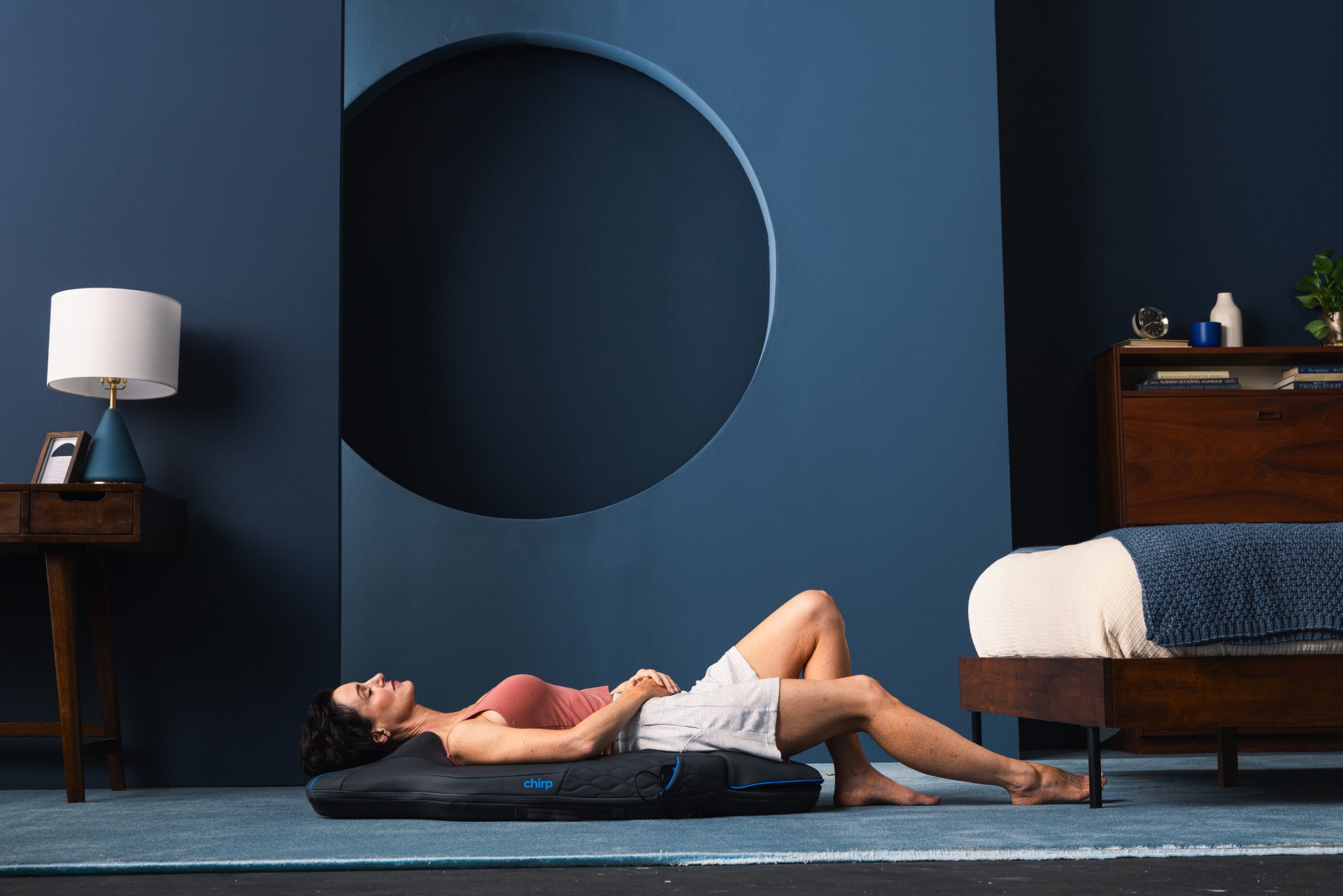
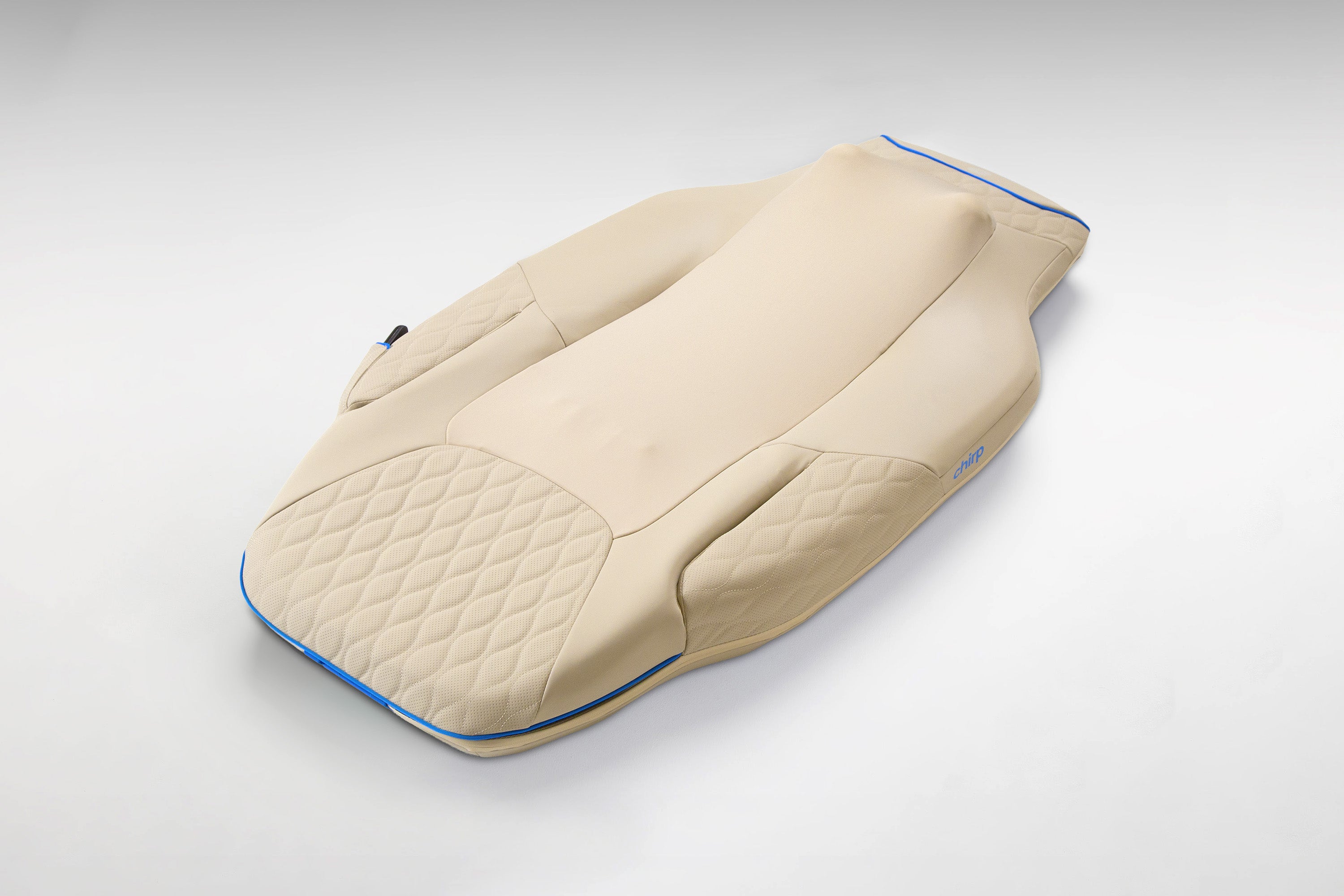
Chirp Contour Decompression & Massage Table
A compact heated back-treatment platform combining guided decompression-style stretching and interchangeable massage rollers.
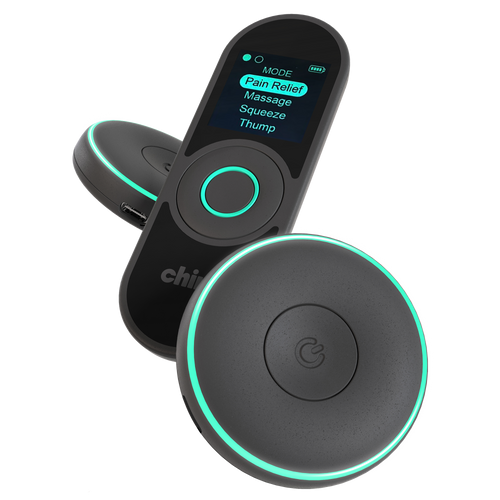
Chirp Halo Wireless Muscle Stim
A cordless TENS and EMS system with two stimulation pucks, remote control, charging case and reusable body-area pads.
Chirp RPM Rolling Powered Massager
A rechargeable rolling massager with a hands-free stand, five speeds, reversible rotation and 44 individual massage nodes.

Chirp Wheel XR 3-Pack
A three-wheel manual set with textured 10-inch, 6-inch and 4-inch designs for different pressure levels and body areas.
Chirp began with back-stretching wheels and has expanded into a broader recovery brand offering powered rolling massage, wireless electrical stimulation, heated decompression equipment, foot tools and accessories. Its current range spans simple manual rollers costing under $100 and larger electronic systems priced above $500.
This review focuses on four products that best represent Chirp in 2026: the Contour Decompression & Massage Table, Halo Wireless Muscle Stim, RPM Rolling Powered Massager and Wheel XR 3-Pack. We compare current prices, treatment methods, dimensions, battery life, recurring accessory costs, returns and warranty coverage to determine which Chirp products are worth considering.
Four standout Chirp recovery products
1. Chirp Contour Decompression & Massage Table — $549.99
Contour is Chirp’s most complete and expensive product. It combines a guided back-stretching position with motorized massage rollers and integrated heat, creating a compact alternative to a full-size massage chair or inversion table.
- Best for Contour: home users who want repeatable back stretching, massage and heat without hanging upside down.
- Contour price checked: $549.99 for the Basic Relief configuration.
- Treatment modes: decompression-style stretching, motorized rolling massage and two heat levels.
- Included roller choices: Soft, Contour and Deep Tissue rollers with the SmartLock system.
- Contour weight: approximately 22 lb with accessories.
- Stored dimensions: about 43 × 22 × 7 inches.
- User range: designed for heights from 5 feet to 6 feet 5 inches and body weights up to 250 lb.
- Saved settings: two programmable user profiles.
- Main Contour trade-off: it costs much more than a wheel or foam roller and does not fit users outside the listed height and weight range.
2. Chirp Halo Wireless Muscle Stim — $179.99
Halo combines TENS and EMS electrical stimulation in a cordless format. Two rechargeable pucks attach magnetically to reusable adhesive pads, while a separate remote controls six preset programs.
- Best for Halo: targeted electrical stimulation without the wires commonly found on basic TENS units.
- Halo price checked: $179.99.
- Technology: TENS programs for sensory stimulation and EMS programs that create muscle contractions.
- Included hardware: two Halo pucks, rechargeable remote, charging case, four trigger-point pads, two lower-back pads and two extension cables.
- Halo puck size: approximately 60 × 13 mm and 32 g each.
- Halo remote size: approximately 39 × 114 × 12 mm and 41 g.
- Battery estimate: 1–6 hours for each puck and 4–5 hours for the remote, depending on use.
- Pad life: reusable Dermatac pads are rated for up to 20 uses under normal care.
- Main Halo trade-off: pads are consumable accessories, so frequent users should include replacement costs in the long-term budget.
3. Chirp RPM Rolling Powered Massager — $229.99
RPM combines a broad roller with powered rotation and percussive-style movement. It can be placed in its stand for hands-free foot and calf use or removed and held by the handles for larger leg and glute areas.
- Best for RPM: feet, calves, hamstrings and users who want wider coverage than a small massage-gun head.
- RPM price checked: $229.99.
- Massage system: one powered roller, eight free-spinning massage bars and 44 individual nodes.
- Speed control: five adjustable settings with reversible rotation.
- RPM-only weight: approximately 3.68 lb.
- Weight with stand: approximately 4.86 lb.
- Dimensions: approximately 19.9 × 7.1 × 5.3 inches.
- Battery estimate: around two hours under regular use and up to eight hours under light use.
- Stall-force specification: approximately 60 lb of pressure before the roller stops.
- Main RPM trade-off: users with sensitive feet or acute pain may find even the lower settings too intense.
4. Chirp Wheel XR 3-Pack — $89.99
The Wheel XR 3-Pack is the simplest product in this review and the closest to Chirp’s original identity. The set includes three textured wheels intended for different body areas and pressure levels.
- Best for Wheel XR: manual upper-back, lower-back and neck rolling without batteries, subscriptions or replacement pads.
- Wheel XR price checked: $89.99 for the three-wheel set.
- Included sizes: 10-inch Acupressure, 6-inch Knot-Kneading Thumb and 4-inch Neck Tension wheel.
- Width: approximately 5 inches, designed to fit between the shoulder blades.
- Spinal Canal design: a central groove reduces direct pressure on the vertebrae while the textured surface contacts nearby muscles.
- Operation: completely manual with no charging, app or consumable pads.
- Portability: each wheel can be used independently, although carrying all three requires more space.
- Main Wheel XR trade-off: the textured surface is intentionally intense and may be unsuitable for beginners or people with high sensitivity.
What makes Chirp different?
Chirp’s product range is organized around self-directed relief rather than conventional gym training. The brand offers several ways to apply pressure or stimulation: body weight over a wheel, powered rotation under the feet, electrical pulses through adhesive pads and a motorized table that combines stretching, massage and heat.
This variety makes Chirp more flexible than a single-product roller company. It also means the products are not direct substitutes for one another. A buyer should select the treatment style that matches the intended body area and routine rather than purchasing only by price.
Contour versus an inversion table
An inversion table tilts the entire body and uses gravity to create traction. Contour keeps the user close to the floor and moves rollers along the back while providing heat and adjustable pressure.
Contour is easier to store than many inversion tables and does not place the user in a head-down position. It also provides massage functions that a basic inversion table lacks.
Inversion equipment may produce a stronger whole-spine traction sensation and can support a wider range of body sizes, depending on the model. Neither product should be used without reviewing contraindications related to blood pressure, eye conditions, pregnancy, recent surgery, bone health or spinal instability.
How Contour pressure levels work
The Soft roller provides the gentlest entry point, the standard Contour roller uses four contact points and the Deep Tissue roller applies more concentrated pressure. The optional Ultimate Relief package adds two more aggressive rollers.
New users should begin with lower heat and the Soft roller. Placing a folded towel or blanket over the treatment area can further reduce intensity while the body becomes familiar with the motion.
Halo TENS versus EMS
TENS and EMS use electrical pulses for different purposes. TENS is generally selected for sensory stimulation intended to change how discomfort is perceived. EMS creates visible or noticeable muscle contractions and is commonly used within training or rehabilitation contexts.
The correct pad placement and intensity matter. Stimulation should never be applied across the chest, over the front or side of the neck, on broken skin or in any location prohibited by the product instructions.
People with implanted electronic devices, pregnancy, seizure conditions or other relevant medical concerns should consult a qualified clinician before using an electrical stimulation device.
Are replacement Halo pads expensive?
Halo’s convenience comes with a recurring accessory cost. Each pad type is shaped for a body area and the adhesive gradually loses strength with repeated use.
Chirp currently states that Dermatac pads can last up to 20 uses. Cleaning the skin before application, returning the protective film after each session and storing pads correctly can help extend usable life.
Users who apply Halo every day may replace pads much more frequently than occasional users. This makes Halo more expensive over time than a wired TENS unit with inexpensive generic electrodes.
RPM versus a massage gun
RPM distributes pressure across a wider surface than a typical massage-gun attachment. The stand allows both feet to be treated without continuously holding a device, and the handles support manual rolling across the calves and thighs.
A massage gun is more precise for shoulders, arms and smaller trigger points. RPM is heavier and less convenient for upper-body use, but it covers the lower body more broadly.
Users should avoid applying powered pressure directly over bones, swollen joints, varicose veins, open wounds or areas of reduced sensation.
RPM battery and charging
Chirp lists around two hours of battery life under regular use and as much as eight hours during lighter use. Real runtime depends on speed, load, direction changes, temperature and battery age.
The product includes either a 2.5 mm barrel connector or a USB-C Power Delivery cable according to the current specification. Buyers should confirm which charging version is supplied with their order before replacing a lost cable.
Wheel XR versus Wheel+
The Wheel XR uses pronounced textures intended to imitate acupressure, thumbs and neck-focused nodes. The original Wheel+ has a smoother surface and is generally easier for first-time users to tolerate.
Wheel XR is better for buyers who already know they prefer concentrated pressure. Wheel+ or the larger Wheel XL may be safer starting points for people who are new to back wheels or find deep tissue tools uncomfortable.
How to begin using a back wheel
First sessions should be short and controlled. The wheel should remain centered so that the groove follows the spine while the surrounding surface contacts the muscles on either side.
Beginners can start against a wall or place the wheel behind the back in a chair before attempting a full floor roll. Smaller wheels produce more concentrated pressure and usually feel more intense.
Sharp pain, tingling, numbness or worsening symptoms are reasons to stop. A wheel cannot diagnose the source of back, neck or headache symptoms.
HSA and FSA eligibility
Chirp currently marks the four featured products as HSA/FSA eligible on its US website. Individual providers may require supporting documentation or limit which purchases qualify.
An eligibility badge is not a guarantee of reimbursement. Customers should check their account rules before using tax-advantaged funds.
Shipping and international availability
Chirp currently provides free shipping on US continental orders of $75 or more. Orders below that threshold use a listed flat rate of $6.95, while Alaska, Hawaii and international shipping are calculated separately.
The shipping policy lists support for several international destinations, including France and other European markets. Import taxes, duties, localized electrical requirements and return logistics can differ from US orders.
Thirty-day trial and returns
Eligible direct purchases can be returned within 30 days when the product remains in like-new condition. Customers who purchased Free Returns and Package Protection at checkout, or who exchange for another Chirp product, may receive free return shipping.
Other returns use a discounted label supplied through Chirp’s portal. Final-sale, open-box and refurbished products are not eligible, and opened Halo pad packages cannot be returned.
Refunds are generally processed within 10–14 business days after Chirp receives the returned item, with additional time possible before the credit appears on the payment account.
Warranty coverage
All current Chirp products include a one-year limited warranty against defects in materials and workmanship under normal consumer use. Approved remedies can include replacement parts, complete product replacement, a refund or store credit.
The warranty excludes normal wear, cosmetic damage, misuse, unauthorized repairs, commercial use without approval and opened consumable Halo pads. Proof of purchase and supporting photos or video may be required.
What we like
- Chirp offers manual, powered, electrical and heat-based recovery options.
- Contour combines three treatment styles in a compact floor-based design.
- Halo removes the wires found on many traditional TENS systems.
- RPM provides wide lower-body coverage and a hands-free stand.
- Wheel XR works without batteries or ongoing accessory costs.
- All featured products are currently marked HSA/FSA eligible.
- US orders over $75 currently receive free continental shipping.
What could be better
- Contour is expensive and limited to a specified height and weight range.
- Halo pads create a recurring replacement expense.
- RPM may be too intense for sensitive users.
- Wheel XR has a steeper comfort and balance learning curve than smoother rollers.
- Standard warranty coverage lasts only one year.
- Free return shipping is conditional rather than automatic for every order.
- Relief tools cannot replace diagnosis or individualized rehabilitation.
Which Chirp product should you choose?
- Choose Chirp Contour for guided back stretching, heat and motorized rolling in one home device.
- Choose Chirp Halo for cordless TENS and EMS sessions on several body areas.
- Choose Chirp RPM for powered foot, calf and leg massage with wide coverage.
- Choose Chirp Wheel XR 3-Pack for affordable manual rolling and different pressure levels.
Who should consider Chirp?
Chirp is best suited to people who want self-directed recovery tools at home and are willing to learn safe positioning and pressure control. The Wheel XR offers the lowest-cost entry point, while RPM provides the broadest powered lower-body use.
The brand is less suitable for buyers expecting a device to cure an undiagnosed condition or replace medical care. People with neurological, cardiovascular, spinal or implanted-device concerns should review the relevant precautions before purchasing.
Final verdict
Chirp has developed into a diverse recovery brand rather than remaining only a wheel company. Contour is the most complete system, Halo is the most technologically distinctive and RPM is the most practical powered option for feet and legs.
The Wheel XR 3-Pack remains the best value for users who already tolerate firm manual pressure. Halo and Contour require a larger commitment because of consumable pads, electronic components and higher prices.
Overall, Chirp is worth considering when the chosen product matches a specific routine. RPM is our strongest general recommendation for powered lower-body massage, while Wheel XR is the most affordable choice for experienced roller users.
Editorial note: This review is based on official Chirp US product, shipping, returns and warranty information checked on August 1, 2026. Prices, promotions, availability and policy terms can change. The article does not claim firsthand testing, medical diagnosis or guaranteed relief outcomes.
Pros and cons
What stands out
- Several recovery methods
- Useful price range
- Compact product designs
- HSA/FSA eligibility
- No subscription requirement
Trade-offs
- One-year warranties
- Halo pad replacement costs
- Some products feel intense
- Conditional free returns
- Not substitutes for medical care
Rating details
Product details
Learn More
Consult a qualified healthcare professional before using supplements or making significant changes to diet, exercise or treatment.
What readers say
No reviews yet
Write a review
Share your experience with other readers.


Be the first reader to share an experience.